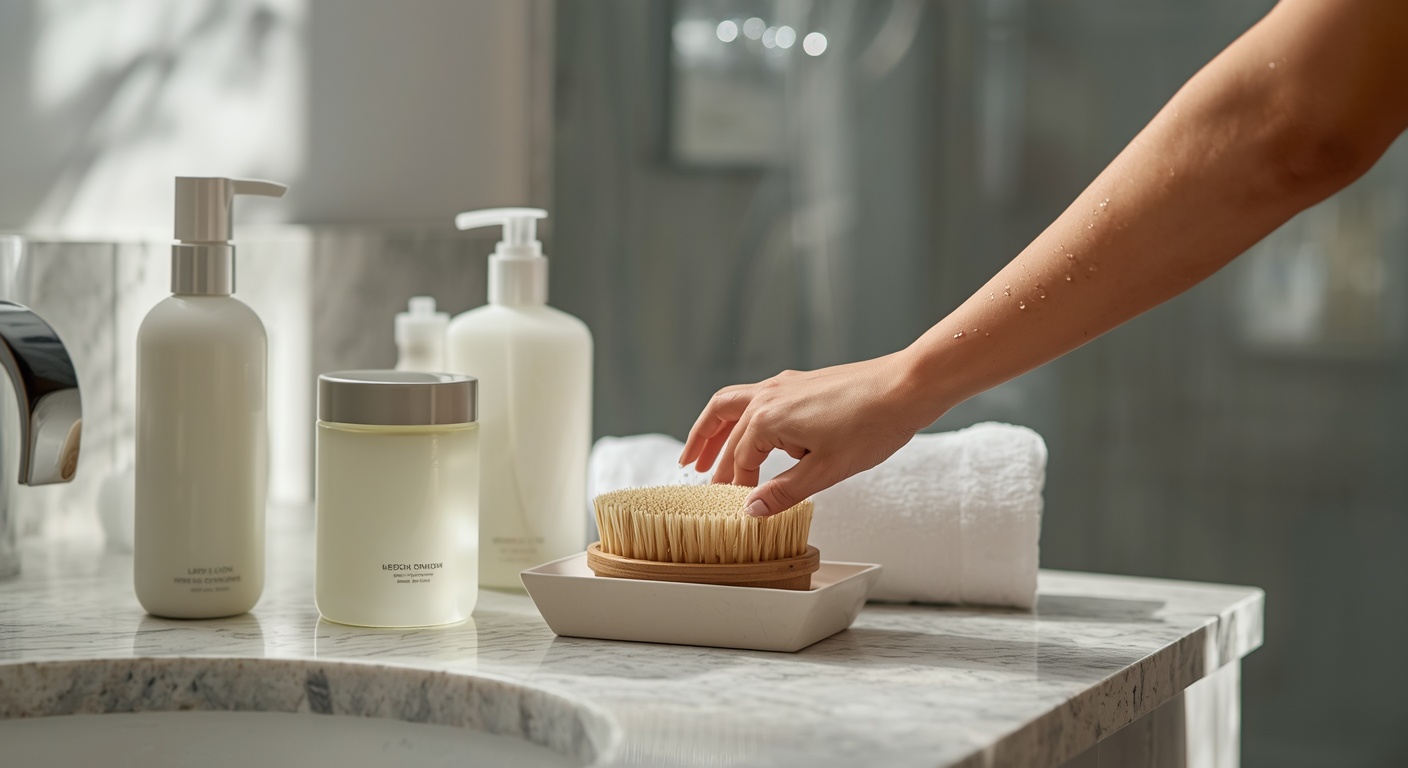
A good body care guide starts with the basics: cleanse gently, moisturise regularly, exfoliate in moderation, protect exposed skin from the sun, and add targeted care only when you actually need it. Your routine does not need to be long or expensive. It just needs to suit your skin, your lifestyle, and the climate you live in.
That matters because body skin has its own needs. Dry legs, rough elbows, body breakouts, sweat-related congestion and sun exposure are all common concerns. In Malaysia, heat, humidity and strong daylight can also affect how comfortable certain textures feel and how often sun protection makes sense for exposed areas.
A simple body care routine usually includes gentle cleansing, moisturising after bathing, occasional exfoliation, sunscreen on exposed skin during the day, and targeted care for concerns like dryness, rough texture or body acne. The best routine is one you can do consistently without irritating your skin.
What Is Body Care and Why Does It Matter?
Body care refers to the everyday habits and products used to keep body skin clean, comfortable and supported. Many people focus heavily on facial skincare and do very little for the rest of their skin apart from using body wash. In practice, body skin can become dry, rough, sweaty, congested or irritated too, so it often benefits from a few simple, regular steps.
What a body care routine usually includes
A body care routine does not need to be complicated. Most people do well with a routine built around five basics:
- Cleansing to remove sweat, sunscreen, dirt and excess oil
- Moisturising to reduce dryness and support skin comfort
- Exfoliation now and then to help with rough texture or product build-up
- Sun protection on exposed areas such as arms, chest and legs when relevant
- Targeted care for concerns like rough bumps, body breakouts or very dry patches
This is why a body skincare routine can stay fairly simple while still being effective.
How body skin differs from facial skin
Body skin is not identical to facial skin. Some areas are thicker, some are more prone to friction, and some produce more sweat or oil. The skin on your heels, knees and elbows can become rough more easily, while the chest and back may be more prone to breakouts. Body skin is also spread across a much larger surface area, so product texture, ease of application and cost per use often matter more.
That is also why facial skincare products are not always necessary for body use, and why a practical body care routine often focuses on consistency over complexity.
What Does a Basic Body Care Routine Include?
If you want the short version, a basic routine usually includes these steps:
- Cleanse with a gentle body wash or cleanser
- Moisturise after showering, especially on dry areas
- Exfoliate occasionally, not every day for most people
- Apply sunscreen to exposed skin during daytime UV exposure
- Add targeted products only for specific concerns like roughness or body breakouts
Gentle cleansing
Cleansing helps remove sweat, sunscreen, odour, surface dirt and excess oil. A gentle body wash is usually enough for daily use. If your skin often feels tight, itchy or squeaky after showering, your cleanser may be too harsh or your showers may be too hot and too long.
For many people, once-daily cleansing is enough, with extra cleansing after exercise or heavy sweating. Areas like the underarms, groin, feet, chest and back may need more attention than the arms or lower legs.
Moisturising after bathing
Moisturiser helps reduce water loss and can make skin feel softer and more comfortable. Applying body lotion or cream after bathing is one of the most useful body skin care tips because skin is often more prone to dryness after washing.
If heavy creams feel uncomfortable in humid weather, a lighter lotion or gel-cream texture may be easier to use consistently. If your skin is very dry, richer creams or balms may be more suitable, especially on rough patches.
Exfoliation in moderation
Exfoliation can help remove dead skin build-up and improve rough texture, but more is not better. Some people like a scrub, while others prefer a chemical exfoliant in a lotion or wash format. Both can work, depending on your skin and the concern you are trying to address.
You do not need to exfoliate daily unless a product is specifically designed for that use and your skin tolerates it well. For many people, occasional exfoliation is plenty.
Sun protection for exposed skin
Body sunscreen is often overlooked, but it matters for skin that is regularly exposed to daylight. Arms, hands, chest, neck, shoulders, ears and legs can all get meaningful UV exposure depending on your clothing and routine.
Daily sunscreen is most relevant for exposed skin that will be outdoors, in transit, or near windows for extended periods. In Malaysia, year-round UV exposure makes this especially relevant even if the weather is cloudy or humid.
Targeted care for specific concerns
Not everyone needs extra steps, but targeted care can be helpful if you deal with issues like persistent dryness, rough bumps, body acne or friction-prone areas. The key is to add one useful step at a time instead of changing everything at once.
How to Build a Simple Daily Body Care Routine
The easiest routine is the one that fits naturally into your day. You do not need separate products for every body part unless you have a specific reason.
Morning body care basics
A morning routine can be very short:
- Shower or rinse off if needed, especially after sweating overnight or after exercise
- Use a gentle body wash on areas that need cleansing
- Apply moisturiser if your skin tends to feel dry
- Use sunscreen on exposed areas before heading out
If you shower at night instead, your morning routine may only need sunscreen and a small amount of moisturiser on drier areas.
Evening body care basics
Evening is often the best time for a more complete body care routine, especially if you have been outdoors, sweating, or wearing sunscreen.
- Cleanse the skin to remove sweat, sunscreen and daily build-up
- Exfoliate occasionally if that is part of your routine
- Apply moisturiser after drying off
- Use targeted products on rough, bumpy or breakout-prone areas if needed
This structure works well for many people because it is easy to repeat.
How to keep the routine realistic and consistent
If your current body care habits are inconsistent, start with just two non-negotiables: cleanse gently and moisturise after bathing. Then add sunscreen for exposed daytime skin. Exfoliation and specialty products can come later if they solve a real problem.
It also helps to match texture to climate and preference. In hot weather, lightweight lotions may be easier to stick with. In air-conditioned environments, drier skin may need something richer at night. The best body care guide is not the longest one. It is the one you will actually follow.
How to Choose Body Care Products for Your Skin Type
Choosing products becomes easier when you focus on skin feel and common triggers rather than marketing claims alone.
Dry or dehydrated body skin
If your skin often feels tight, flaky or uncomfortable, look for a gentle cleanser and a moisturiser with a more nourishing texture. Creams and richer lotions can be useful, especially after showering. Frequent hot showers and harsh cleansers can make dryness worse, so routine habits matter as much as product choice.
You may also need to apply moisturiser more than once a day on very dry areas such as shins, elbows or hands.
Sensitive body skin
Sensitive skin often does better with simple, low-irritation products. Fragrance can be pleasant, but it may not suit everyone, especially if your skin is easily reactive. A shorter ingredient list and fewer added actives may be easier to tolerate. Patch testing new products on a small area first can also be sensible if you often react to body care products.
Oily or acne-prone body skin
If you are prone to body breakouts on the chest, back or shoulders, look for textures that do not feel overly heavy and routines that remove sweat and sunscreen effectively without stripping the skin. Showering after exercise can help reduce the time sweat and friction sit on the skin.
Some people may find targeted ingredients useful for body acne, but not every breakout is the same. If the concern is persistent, inflamed, painful or worsening, professional advice is more appropriate than repeatedly switching products.
Rough or bumpy skin
Rough texture on the arms, thighs, knees or elbows is common. A moisturiser used consistently may help soften the skin, while occasional exfoliation can improve build-up on the surface. If you have small bumps that resemble keratosis pilaris, gentler long-term care is usually more useful than aggressive scrubbing.
Exfoliation: How Often Should You Exfoliate Your Body?
How often to exfoliate your body depends on your skin type, the product you use and why you are exfoliating in the first place. There is no single frequency that suits everyone.
Physical vs chemical exfoliation
Physical exfoliation includes scrubs, textured gloves, brushes or cloths that manually remove surface build-up. These can feel satisfying, but pressure matters. Too much rubbing can leave skin irritated, especially on sensitive areas.
Chemical exfoliation usually refers to products that use exfoliating acids to loosen dead skin build-up. They are commonly found in lotions, creams or body washes. These can be useful for rough texture, but they still need to be introduced sensibly.
Neither method is automatically better. The right choice depends on your skin and what you tolerate well.
Signs you may be over-exfoliating
Over-exfoliation can leave skin feeling more irritated rather than smoother. Signs can include:
- stinging when you apply products
- increased redness
- tightness or dryness
- flaking that seems worse, not better
- sensitivity after scrubbing or using active products
If this happens, reduce exfoliation and focus on gentle cleansing and moisturising until the skin feels settled again.
When to reduce frequency
You may need less exfoliation if your skin is sensitive, recently irritated, sun-exposed, or already dry. Some people only need occasional exfoliation on specific areas such as elbows, knees or rough upper arms rather than all over.
In practical terms, body exfoliation is optional for some people and useful for others. It should support the skin, not leave it raw.
Do You Need Sunscreen on Your Body?
If body skin is exposed to UV, sunscreen is worth considering. Many people are careful with facial SPF but forget the neck, chest, arms, hands or legs.
Which body areas are commonly exposed
Commonly exposed areas include:
- neck and chest
- shoulders
- arms and hands
- legs and feet
- ears and the back of the neck
Exposure depends on what you wear, how you commute and how much time you spend outdoors.
Daily use vs outdoor use
You do not always need full-body sunscreen indoors if the skin is fully covered and not getting meaningful UV exposure. But if you spend time outdoors, drive regularly, sit near strong daylight, or walk between locations, sunscreen on exposed areas becomes much more relevant.
For beach days, sports, hikes or long outdoor events, broader coverage is usually needed than for a typical indoor workday.
Malaysia-specific sun and heat considerations
In Malaysia, strong year-round sun means body sunscreen is easy to underestimate. Heat and humidity can also make heavy textures feel sticky, which is one reason people skip them. If that sounds familiar, focus on a sunscreen texture you are actually willing to use on the body. Consistency often matters more than choosing the thickest-feeling formula.
Common Body Skin Concerns and What May Help
Not every body skin issue needs a complicated routine. Often, a few changes used steadily make more sense than layering many products at once.
Dry, flaky skin
Dry body skin often benefits from a gentler cleanser, shorter showers, and daily moisturising after bathing. If the skin still feels uncomfortable, you may need a richer moisturiser or more frequent application on the driest areas.
Rough elbows, knees and heels
These areas often respond well to consistent moisturising and occasional exfoliation. Friction and thicker skin can make them feel rough more easily than other parts of the body. Very aggressive scrubbing can backfire, so steady care is usually more helpful than harsh treatment.
Body acne and sweat-related congestion
Breakouts on the back, chest or shoulders may be aggravated by sweat, friction, occlusive clothing or products that feel too heavy for your skin. Showering after exercise, changing out of damp clothing, and keeping the routine simple may help. If breakouts are widespread, painful, leaving marks easily or not improving, a dermatologist can assess whether something more targeted is needed.
Bumpy skin such as keratosis pilaris
Small rough bumps are often managed with patience rather than force. Gentle moisturising and measured exfoliation may help improve texture over time. Scrubbing hard or using too many actives at once can increase irritation, so a gradual approach is usually better.
When to seek professional advice
See a doctor, dermatologist or appropriately qualified healthcare professional if you have severe irritation, painful breakouts, signs of infection, spreading rashes, persistent itch, cracking skin, or symptoms that keep returning despite simple care. Body care products can support skin comfort, but they are not a substitute for assessment when something seems more significant or unusual.
Body Care Mistakes to Avoid
Using harsh cleansers
If your body wash leaves your skin feeling stripped, that is not a sign it is working better. Over-cleansing can make dryness and irritation more noticeable.
Skipping moisturiser
Many people think body moisturiser is optional until their skin feels rough or itchy. Even a simple once-daily application can make a visible difference in comfort and texture.
Over-scrubbing
More pressure does not mean better exfoliation. Scrubbing too hard can irritate the skin barrier and make roughness feel worse temporarily.
Ignoring sun-exposed areas
Hands, neck, chest and arms are easy to forget. If those areas see regular daylight, they deserve the same attention as facial skin.
Changing too many products at once
When you introduce several products together, it becomes hard to tell what is helping and what may be causing irritation. Add new products gradually, especially if they contain stronger active ingredients.
A Practical Weekly Body Care Checklist
A simple checklist can make a daily body care routine easier to maintain.
Daily habits
- Cleanse after sweating or at the end of the day
- Use a gentle body wash rather than a harsh cleanser
- Apply moisturiser after showering
- Use sunscreen on exposed skin when you will get daytime UV exposure
- Change out of sweaty clothing after exercise when possible
Weekly maintenance
- Exfoliate if needed, based on your skin tolerance and concerns
- Pay extra attention to rough spots like elbows, knees and heels
- Notice whether any product is causing tightness, stinging or congestion
- Refill or replace daily-use essentials before you run out
Adjustments for travel, exercise or hot weather
During travel or hotter periods, skin may get sweatier, more dehydrated or more exposed to sun. That can mean cleansing a little more carefully after long days out, using lighter moisturiser textures, and being more consistent with sunscreen on exposed body skin. If you exercise often, keeping a straightforward post-workout shower routine can help reduce discomfort and build-up.
Frequently Asked Questions
What is the correct order for a body care routine?
The usual order is cleanse first, exfoliate occasionally if needed, moisturise after bathing, and apply sunscreen to exposed skin during the day.
How often should you moisturise your body?
For most people, once daily is a practical baseline, especially after showering. If your skin is very dry, you may need to moisturise certain areas more often.
Is body exfoliation necessary for everyone?
No. Exfoliation can help with rough texture or surface build-up, but not everyone needs it often. Sensitive skin may do better with less frequent exfoliation or none at all unless there is a specific reason.
Do you need body sunscreen indoors or only outside?
Sunscreen matters most when exposed skin gets meaningful UV exposure, especially outdoors. It may also be relevant near windows or during long daytime commutes, depending on your routine.
What body care products are best for dry skin?
Dry skin usually benefits from a gentle cleanser and a richer moisturiser such as a cream or nourishing lotion. Product texture should still feel comfortable enough for daily use, especially in humid weather.
Keep It Simple and Consistent
The most useful body care guide is one that helps you build habits you can maintain. For most people, that means gentle cleansing, daily moisturising, sensible exfoliation, sunscreen on exposed skin, and a calm approach to common concerns like dryness, rough texture or body breakouts.
If your skin is comfortable and your routine feels manageable, you are probably on the right track. Start simple, adjust based on how your skin responds, and seek professional advice if a concern seems persistent, severe or unusual.