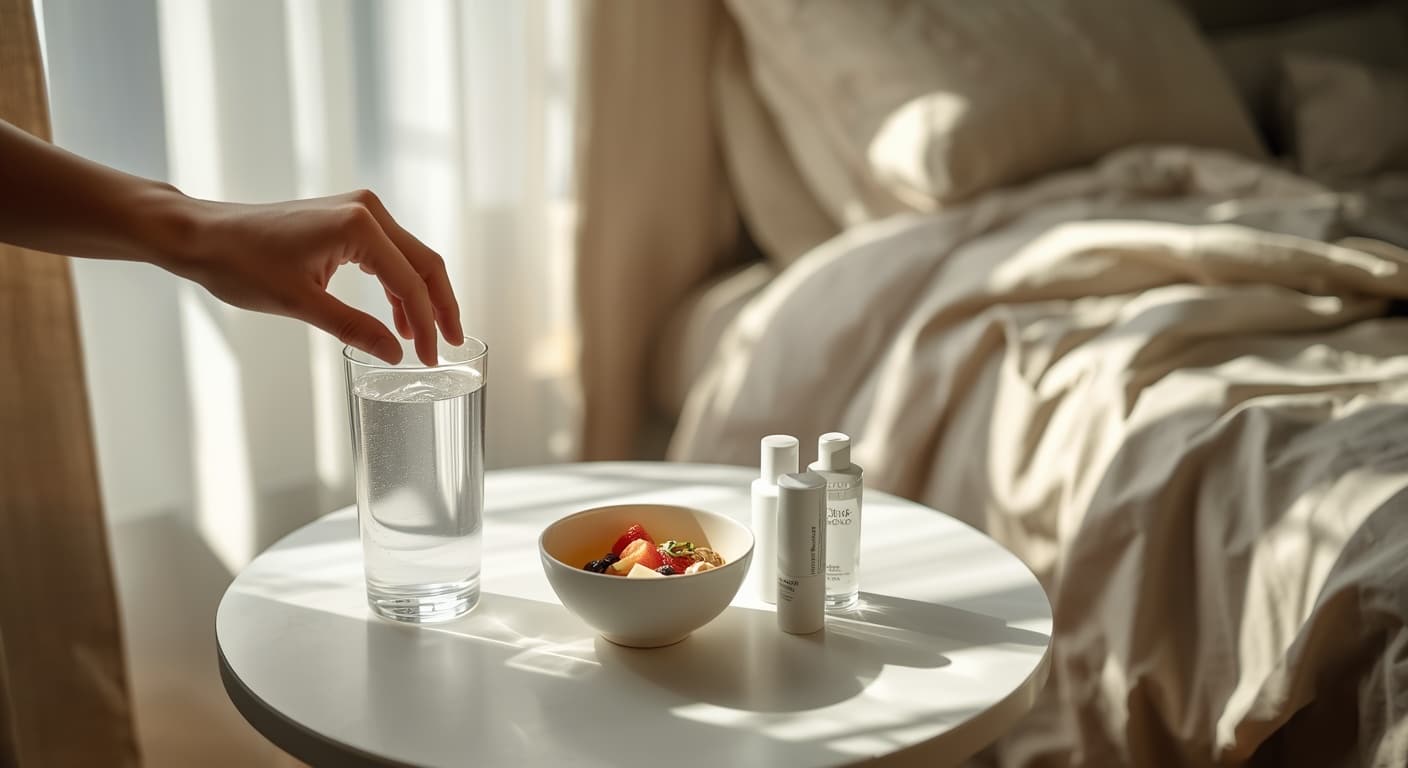
A good beauty wellness guide is not just about products. It is about the everyday habits that support healthy-looking skin, hair and overall appearance over time. Sleep, hydration, balanced meals, stress levels, movement and sun protection can all influence how comfortable your skin feels, how refreshed you look and how manageable your hair seems from day to day.
In practical terms, a beauty and wellness guide focuses on daily routines that support your body as a whole. Consistent sleep, regular hydration, balanced nutrition, stress management, movement and sensible sun protection may help skin look healthier and hair feel easier to manage. These habits do not guarantee dramatic changes, but they can make a noticeable difference over time.
What are the main beauty and wellness habits for healthier-looking skin and hair?
- Get consistent, good-quality sleep.
- Stay hydrated and adjust for heat, sweat and air-conditioning.
- Eat balanced meals with enough protein, healthy fats and nutrient-rich foods.
- Manage stress in realistic ways.
- Move regularly to support overall wellbeing.
- Protect skin from daily UV exposure.
- Keep your routine simple and consistent rather than extreme.
What a beauty and wellness guide really means
A beauty wellness guide connects visible appearance with basic wellbeing. That does not mean wellness replaces skincare, hair care or professional treatment when needed. It means your day-to-day habits often shape the results you see from the rest of your routine.
If you are sleeping poorly, skipping meals, feeling constantly stressed or getting heavy sun exposure, your skin and hair may not look or feel their best no matter how many products you use. On the other hand, healthier routines can support your skin barrier, scalp comfort and general appearance in a more sustainable way.
How wellness habits influence skin, hair and overall appearance
Skin and hair are affected by the body conditions around them. For example, poor sleep may leave you looking dull or tired. Dehydration can make skin feel less comfortable. Stress may affect skin behaviour and, in some people, may be linked with increased shedding patterns. Low-quality diets or highly restrictive eating habits can also show up in how skin and hair look over time.
Wellness habits also affect how consistent you are with basic care. When your schedule is chaotic, it is easier to skip sunscreen, forget meals, neglect scalp care or rely on habits that do not support long-term comfort.
What lifestyle changes can and cannot do
Lifestyle changes can support healthier-looking skin and hair, but they are not a cure-all. Drinking more water will not fix every dry-skin concern. Better sleep will not automatically resolve persistent acne. A balanced diet supports overall appearance, but it will not replace medical care for scalp disease, significant hair loss or chronic skin conditions.
The most useful mindset is to see wellness as supportive, not magical. Small daily habits often help with comfort, consistency and appearance, but some concerns still need targeted skincare, hair care or professional advice.
The daily habits that make the biggest difference
Not every wellness habit matters equally. If you want to focus on the basics first, these tend to have the most visible day-to-day impact.
Sleep and overnight recovery
Sleep is when your body shifts into recovery mode. While you sleep, your skin is not being exposed to sunlight, sweat, pollution or makeup in the same way as during the day. Poor sleep often shows up quickly in your appearance, even if the effect is temporary.
Many people notice that after several short nights, skin can look less fresh and the under-eye area may seem more obvious. Hair may also feel harder to manage if you are tired, stressed or neglecting basic care.
Hydration and day-to-day skin comfort
Hydration supports normal body function, and it can also affect how comfortable your skin feels. It is best understood as one part of the picture. It may help support day-to-day skin comfort, but it does not replace moisturiser, gentle cleansing or sun protection.
In Malaysia, hydration habits can be especially relevant because hot weather, sweating and time outdoors can increase fluid loss. At the same time, heavy air-conditioning may leave skin feeling dry or tight even in a humid environment.
Balanced meals that support skin and hair
Skin and hair benefit from overall dietary adequacy rather than one specific superfood. A pattern of regular, balanced meals usually matters more than chasing individual ingredients. Protein, healthy fats and a range of nutrient-rich foods all play a part in supporting normal body processes that affect appearance.
Very restrictive eating patterns can sometimes leave people feeling run down, and that may show up in their skin, hair and energy levels.
Stress management and visible beauty effects
Stress does not look the same for everyone, but it can affect sleep, routines, appetite and self-care. For some people, stressful periods may coincide with skin flare patterns, tension-related habits or increased hair shedding. Stress management will not remove every concern, but it can support steadier routines and better overall wellbeing.
Why sleep matters for healthy-looking skin and hair
How poor sleep can show up in your appearance
Lack of sleep often affects how refreshed you look. Common signs may include a tired-looking complexion, more noticeable under-eye shadows, puffiness or skin that seems less comfortable. Poor sleep can also lead to habits that indirectly affect appearance, such as skipping meals, forgetting sunscreen or neglecting evening cleansing.
Hair may not change overnight because of one late night, but ongoing poor sleep and stress can disrupt your general routine and scalp care habits. Over time, this can make it harder to maintain healthy-looking hair.
Simple habits that support better sleep quality
- Keep a fairly consistent sleep and wake time when possible.
- Reduce screen exposure close to bedtime if it keeps you mentally switched on.
- Avoid very heavy meals or large amounts of caffeine late in the day if they affect your sleep.
- Keep your sleeping environment cool, dark and comfortable.
- Build a simple wind-down routine, such as showering, stretching or reading.
If poor sleep is frequent, severe or linked with daytime exhaustion, it is worth speaking to an appropriate qualified healthcare professional.
Hydration, humidity and skin comfort in Malaysia
What hydration can realistically do for your appearance
Hydration can support general wellbeing and may help skin feel more comfortable, but it should not be treated as a miracle fix. If your skin feels dry, tight or uncomfortable, that can also relate to cleansing habits, environmental exposure or the products you use.
Think of hydration as foundation support. It helps the body function well, and that may show up in your overall appearance, but it works best alongside practical skincare habits.
Why hot and humid weather changes daily needs
Malaysia’s hot, humid climate means many people sweat regularly, especially during commuting, time outdoors or exercise. That can change what your skin and scalp need from day to day. You may prefer lighter skincare textures, more frequent cleansing of sweaty areas and more attention to scalp freshness.
Humidity can make skin feel oily on the surface while still feeling dehydrated or irritated underneath, especially if you are also spending long hours in air-conditioned spaces. This is one reason routines often need seasonal flexibility even in a tropical climate.
Signs your routine may need adjustment
- Your skin feels tight after cleansing.
- You feel greasy quickly but also uncomfortable or dehydrated.
- Your scalp feels sweaty, itchy or heavy more often.
- You are outdoors more than usual and notice extra sun exposure.
- Your current routine feels too heavy, too drying or hard to maintain.
Often, small adjustments help more than a complete routine overhaul.
Nutrition basics for skin and hair support
Protein, healthy fats and overall dietary balance
Hair is closely tied to overall nutritional status, and skin also tends to reflect broader dietary patterns. Protein matters because it supports many normal body functions, including those involved in maintaining hair and skin structures. Healthy fats are also part of a balanced diet and may support general skin comfort.
Rather than obsessing over single foods, aim for regular meals that include a good mix of protein sources, fibre-rich foods and a variety of minimally processed ingredients where practical. You do not need a perfect diet for your skin and hair to benefit from more stable daily habits.
Micronutrients commonly linked to skin and hair health
Vitamins and minerals are often discussed in relation to beauty, but it is best to keep the message simple: eating a varied, balanced diet is usually more useful than chasing one nutrient at a time. Skin and hair may benefit when your overall intake is adequate and sustainable.
This does not mean everyone needs supplements. If you suspect a nutritional issue, have unexplained fatigue or are considering major dietary changes, it is sensible to speak with a doctor, pharmacist or qualified dietitian rather than guessing.
Why restrictive dieting can affect appearance
Highly restrictive diets can sometimes leave people low on energy and make it harder to meet everyday nutritional needs. In some cases, that may gradually affect hair shedding, skin comfort or general appearance. Sudden weight changes or extreme eating patterns can also place stress on the body.
If your goal is to support healthy-looking skin and hair, steadier habits usually work better than aggressive short-term plans.
Stress, movement and overall wellness
How stress can affect skin behaviour and hair shedding
Stress can affect your appearance directly and indirectly. Directly, some people notice that stressful periods line up with more reactive skin or increased shedding. Indirectly, stress can lead to poorer sleep, comfort eating, skipped routines or picking at the skin.
Because causes vary, it is important not to self-diagnose every skin or hair issue as stress. Still, reducing stress where possible can support a more stable baseline.
Movement and circulation as part of a healthy routine
Regular movement supports overall wellbeing, and that can have knock-on effects for appearance. Exercise may help with stress management, sleep quality and routine consistency. It does not need to be intense. Walking, stretching, light strength work or any activity you can maintain counts.
If you sweat heavily, simple post-workout habits matter too: cleanse the skin if needed, change out of damp clothing, and keep the scalp comfortable without over-washing more than necessary.
Building realistic self-care habits
Self-care is most useful when it is repeatable. A realistic routine might mean drinking water regularly, taking short movement breaks, getting enough sleep most nights and doing a short evening skincare routine instead of buying more products.
If a wellness habit makes your life more stressful, expensive or complicated, it may not be helping as much as it seems.
Sun protection and environmental habits that support appearance
Why UV exposure matters year-round
Daily sun protection belongs in any beauty and wellness guide because UV exposure affects how skin looks over time. In Malaysia, year-round sun exposure is a practical reason to build this habit consistently, not only on beach days or during outdoor exercise.
Sun protection helps support the long-term appearance of the skin and is especially important if you spend time commuting, driving or walking outdoors regularly.
Daily protective habits beyond skincare
- Use sunscreen as part of your daytime routine.
- Reapply when needed, especially if you are outdoors or sweating.
- Use sunglasses, a cap or an umbrella when practical.
- Seek shade during stronger sun exposure where possible.
- Do not rely only on makeup or indoor time for protection.
Other environmental habits can help too. Wash sweat off the skin when needed, avoid harsh over-cleansing, and pay attention to how air-conditioning, heat and pollution affect your comfort level.
A simple beauty and wellness routine you can actually follow
The best routine is the one you can keep doing. It does not need to be elaborate.
Morning habits
- Drink some water after waking if that helps you start the day.
- Eat a balanced breakfast or plan your first proper meal.
- Do a simple skincare routine and apply sunscreen.
- If possible, get a little natural daylight early in the day to support your body clock.
Daytime habits
- Hydrate regularly, especially in hot weather.
- Do not skip meals routinely.
- Take short breaks to move if you sit for long periods.
- Reapply sun protection if you are outdoors.
- Manage sweat and scalp oil in a way that keeps you comfortable.
Evening habits
- Remove sunscreen, makeup and daily build-up gently.
- Eat a proper evening meal where possible.
- Limit habits that make sleep harder, such as very late caffeine if it affects you.
- Set up a basic wind-down routine before bed.
Weekly reset habits
- Check whether your routine still suits the weather and your schedule.
- Wash pillowcases, towels or hair tools regularly.
- Plan a few balanced meals for the week.
- Notice whether stress or fatigue is affecting your skin, scalp or habits.
Common mistakes that can work against your beauty and wellness goals
Expecting instant results
Wellness habits usually work gradually. If you sleep better for one night or drink more water for two days, that is useful, but visible changes often depend on consistency rather than quick fixes.
Overcomplicating routines
Many people do better with a short routine they can repeat. Trying to optimise everything at once often leads to inconsistency. A few habits done regularly usually beat a perfect plan that lasts three days.
Ignoring stress and sleep while focusing only on products
Products matter, but they are not the whole picture. If your skin seems persistently dull or your hair feels harder to manage, it is worth looking at sleep, stress, hydration and daily habits instead of buying more items straight away.
Following overly restrictive wellness trends
Extreme routines, very low-calorie plans, harsh detox ideas or unrealistic social media wellness habits can leave you feeling worse, not better. Your beauty and wellness routine should support normal life, not dominate it.
When to seek professional advice
Persistent skin changes
If you have ongoing irritation, sudden changes, severe breakouts, rashes or symptoms that do not improve with simpler routine adjustments, it is best to seek advice from a doctor or dermatologist. Wellness habits may support comfort, but they are not a substitute for assessment of persistent skin concerns.
Significant hair loss or scalp symptoms
If you notice substantial hair shedding, patchy hair loss, scalp pain, marked itching or flaking that does not settle, get professional advice. Hair and scalp changes can have different causes, and it is better not to assume they are only due to stress or product choice.
Nutrition or sleep concerns that need expert support
If you are regularly exhausted, sleeping very poorly, struggling with eating patterns or worried about whether your diet is meeting your needs, professional support can help. A doctor, pharmacist or qualified dietitian may be appropriate depending on the concern.
Frequently Asked Questions
What is a beauty and wellness guide?
A beauty and wellness guide is a practical approach that connects daily habits with healthy-looking skin, hair and overall appearance. It usually covers sleep, hydration, nutrition, stress management, movement and sun protection alongside basic personal care.
Can better sleep really improve how your skin looks?
Better sleep can support recovery and may help skin look more refreshed over time. Poor sleep often shows up in the complexion and under-eye area, although results vary from person to person.
How much does hydration affect skin and hair appearance?
Hydration supports normal body function and may help with day-to-day skin comfort, but it is not a cure-all for every skin or hair concern. It works best as part of a broader routine.
What foods support healthy-looking skin and hair?
Balanced meals that include enough protein, healthy fats and a variety of nutrient-rich foods are a sensible starting point. Overall dietary patterns matter more than chasing one specific food.
Can stress affect your skin and hair?
Stress can influence skin behaviour and may contribute to shedding or flare patterns in some people. Causes vary, so persistent concerns should not be assumed to be stress alone.
Start with the habits you can keep
If you want this beauty wellness guide reduced to one idea, it is this: simple habits done consistently tend to help more than extreme routines. Prioritise sleep, hydrate sensibly, eat balanced meals, move regularly, protect your skin from the sun and keep stress in check where you can. Those habits may not change everything overnight, but they often support healthier-looking skin and hair in a way that feels sustainable.