A chemical peel is a professional skin-exfoliation treatment that uses carefully selected acids to remove a controlled amount of the outer skin layers. People often consider a chemical peel in Malaysia for concerns such as rough texture, dullness, post-acne marks and uneven-looking pigmentation, but the right peel, expected downtime and aftercare can vary a lot depending on your skin and the peel depth.
Chemical peels use acids to speed up exfoliation so fresher skin can come through more evenly. Superficial peels are generally milder, while medium-depth peels reach further and usually involve more downtime. They may help improve the appearance of texture, acne marks, fine lines and pigmentation, but suitability and aftercare should be assessed by a qualified professional.
If you are comparing peels with other in-clinic options, our guide to beauty treatments in Malaysia gives broader context on where they fit.
What is a chemical peel?
A chemical peel is a treatment that applies an acid-based solution to the skin for controlled exfoliation. The goal is not simply to make the skin peel visibly. Instead, the treatment is used to encourage the shedding of old surface cells and support skin renewal in a more targeted way than ordinary cleansing or mild home exfoliation.
Depending on the formula and strength, a peel may be used on the face and sometimes other areas, but not every peel suits every skin concern. In practice, the most important differences are depth, acid type and how your skin responds.
In simple terms, a chemical peel may help with:
- skin texture that feels rough or uneven
- dull-looking skin
- post-acne marks
- some forms of uneven tone or pigmentation appearance
- the appearance of fine lines
What it cannot realistically promise:
- instant results for everyone
- the same outcome across all skin tones and skin types
- a cure for acne or pigment disorders
- permanent results without ongoing skin care and sun protection
That distinction matters. A peel may improve the appearance of certain concerns, but it is not a one-size-fits-all solution and it is not automatically suitable for skin that is already irritated, inflamed or barrier-compromised.
Common types of chemical peels
Chemical peels are often grouped by how deeply they exfoliate the skin.
- Superficial peels: act more on the outermost layer of skin and are commonly used for dullness, mild uneven texture and light post-acne marks.
- Medium-depth peels: reach further and may be considered for more noticeable texture concerns, pigmentation appearance and signs of photoageing, but they usually involve more visible recovery.
- Deep peels: these are more intensive and are not something to approach casually. They require appropriate medical oversight and careful candidate selection.
Superficial peels
Superficial peels are usually the entry point for people new to professional exfoliation. They are commonly based on alpha hydroxy acids or beta hydroxy acids, though formulas vary by provider. These peels may leave the skin looking fresher or smoother with less downtime than stronger peels, but they can still cause irritation if used in the wrong setting or on the wrong skin.
People often consider superficial peels for:
- mild congestion
- dullness
- slight uneven texture
- early post-acne marks
Medium-depth peels
Medium-depth peels are more intensive. They are often discussed in relation to more noticeable pigmentation concerns, textural changes or photoageing. Because they go beyond the most superficial layer, they can involve more redness, tightness, peeling and downtime.
These peels should be approached more carefully, especially if you have sensitive skin, are prone to dark marks after irritation, or are using strong active ingredients in your routine.
Common acids used in peels
You may see chemical peel treatment options described by the acid used rather than by depth alone. Common examples include:
- Glycolic acid peel: an AHA often used for exfoliation and surface texture concerns.
- Lactic acid peel: another AHA, often discussed as a gentler option in some routines.
- Mandelic acid peel: sometimes considered for skin that does not tolerate stronger resurfacing well, though suitability still varies.
- Salicylic acid peel: a BHA commonly used where oiliness and congestion are part of the concern.
- TCA peel: trichloroacetic acid is associated with stronger professional peels and needs more careful assessment.
The acid name alone does not tell you everything. Concentration, pH, contact time, combination formulas and your skin history all affect how a peel behaves.
| Peel category | Typical focus | Downtime | Who may consider it |
|---|---|---|---|
| Superficial peel | Dullness, mild texture, early marks | Usually lower | People wanting lighter professional exfoliation |
| Medium-depth peel | More visible texture or pigment concerns | Usually more noticeable | People assessed as suitable after consultation |
| Deep peel | More intensive resurfacing | Significant | Requires proper medical oversight, not for casual treatment selection |
Why people get chemical peels
Most people do not book a peel just because it sounds like “deep exfoliation”. They usually have a specific concern in mind.
Uneven skin texture and dullness
If skin looks tired, flaky or rough despite regular cleansing and moisturising, a superficial peel may help improve the appearance of texture by loosening built-up surface cells. This can make skin look smoother or brighter, although the effect depends on the underlying cause of the dullness.
Acne and post-acne marks
Some peels are used to support clearer-looking skin or improve the appearance of post-acne marks. That does not mean a peel is the right first step for active, inflamed breakouts or irritated skin. If acne is significant, persistent or leaving worsening marks, professional assessment matters because the best approach may involve more than exfoliation alone.
Pigmentation concerns
Chemical peels are often discussed for uneven tone and dark marks left after inflammation. They may help improve the appearance of some pigmentation concerns, but pigmentation is also one of the areas where careless treatment can backfire, especially if the skin becomes irritated or the aftercare is poor. People who pigment easily, have sensitive skin or are unsure what type of discolouration they have should not self-diagnose.
Fine lines and photoageing
For some people, peels are part of a plan to address roughness, sun-related skin changes and the appearance of fine lines. Expectations need to stay realistic. A peel may support smoother-looking skin, but deeper lines, laxity or long-standing sun damage may need a different approach or combination treatment plan.
Who may be a suitable candidate and who should be cautious
Suitability depends on more than the skin concern itself. A qualified practitioner should also look at your skin barrier, sensitivity, current routine and how your skin tends to react after irritation.
Skin type, sensitivity and current routine
If you are already using retinoids, exfoliating acids, benzoyl peroxide or multiple active ingredients, your skin may be more reactive at the time of treatment. Skin that stings easily, feels tight, flakes often or is recovering from over-exfoliation needs extra caution.
Sensitive skin does not automatically rule out all peels, but it does mean the peel type and treatment plan should be selected more carefully.
When active irritation or certain conditions need professional review
A consultation is especially important if you have active irritation, a damaged skin barrier, unexplained rashes, a history of strong reactions, or a skin condition that flares easily. If you have ongoing redness, significant breakouts, eczema-like irritation, suspected rosacea, stubborn pigmentation or marks that worsen after inflammation, do not assume a peel is appropriate without proper assessment.
Why a consultation matters before treatment
A good consultation should cover your skin history, past reactions, current products, recent treatments and what result you are actually hoping for. That helps avoid the very common problem of choosing a peel that sounds strong rather than one that suits your skin.
What happens during a typical chemical peel appointment
Appointments vary by provider and peel protocol, but most follow a similar flow.
Consultation and skin assessment
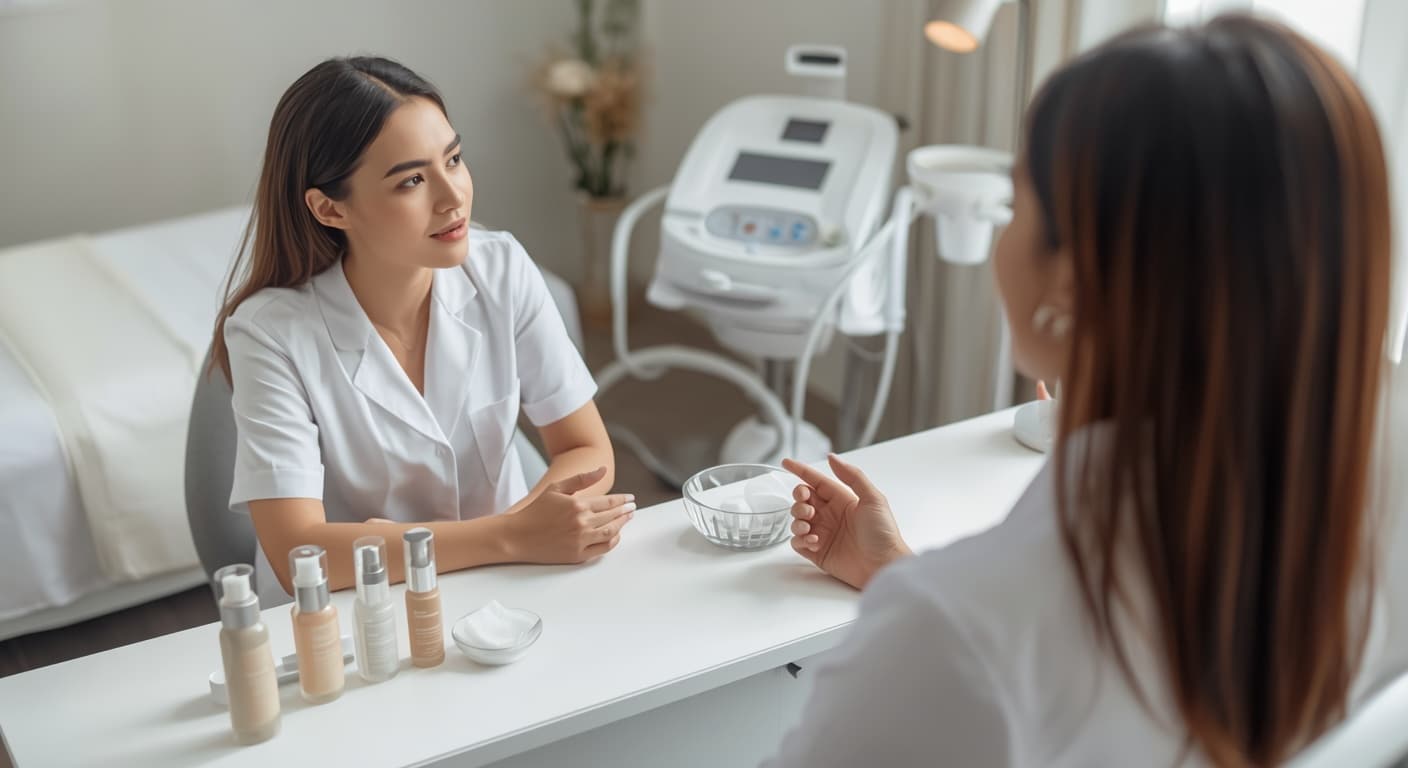
The appointment usually starts with a discussion of your concerns, skin type, sensitivities and routine. The practitioner may assess visible redness, oiliness, active breakouts, dry patches or barrier stress before deciding whether to proceed and which peel category is more appropriate.
Preparation, application and neutralisation
The skin is generally cleansed first. The peel solution is then applied in a controlled way for a set period or according to visible skin response, depending on the peel system used. Some peels are neutralised or removed, while others follow a different protocol. You should be given clear aftercare instructions before leaving.
What the skin may feel like during treatment
It is common for skin to feel tingling, warm or prickly during a peel. That sensation can range from mild to more intense depending on the peel type and your skin sensitivity. Severe burning or unexpected discomfort should be communicated immediately during treatment rather than tolerated silently.
What to expect after a chemical peel
Not everyone peels dramatically after a chemical peel, and visible peeling is not the only sign that a treatment has worked. The recovery pattern depends on the depth of the peel, the formula used and your individual skin response.
Redness, tightness and flaking
After treatment, skin may look pink or slightly red and feel tighter than usual. Some people notice dryness, sensitivity or light flaking. Others experience more obvious peeling. The important point is to let the skin recover without forcing exfoliation.
How downtime varies by peel type
Superficial peels generally involve less downtime than medium-depth peels, but there is no guaranteed schedule that applies to everyone. A lighter peel may fit more easily into a normal routine, while a stronger peel may cause more visible peeling and social downtime. Humid weather can also make skin feel more uncomfortable if the barrier is already stressed, especially when combined with sun exposure and sweat.
When to seek professional advice
Contact your provider promptly if you develop significant swelling, intense discomfort, unusual oozing, worsening dark marks, or a reaction that feels more severe than the aftercare guidance suggested. If you are worried that the skin is not healing normally, do not keep layering strong products over it in the hope of speeding things up.
Chemical peel aftercare: the essentials
Aftercare is where many peel outcomes are protected or undermined. The skin is more vulnerable after exfoliation, so supportive care matters as much as the treatment itself.
Sun protection and why it matters in Malaysia
Year-round UV exposure is one of the biggest practical concerns after a chemical peel in Malaysia. Freshly treated skin is more prone to irritation and may be more vulnerable to worsening pigmentation if sun protection is poor. Daily sunscreen use matters, and so does sensible sun avoidance such as limiting direct exposure when possible, seeking shade and using a hat if you will be outdoors.
This is especially important if your peel was done for pigmentation or post-acne marks, since UV exposure can work against the goal of treatment.
Gentle cleansing and moisturising
After a peel, keep the routine simple. A gentle cleanser and a basic moisturiser are often the most useful starting points. The aim is to support the skin barrier rather than chase faster peeling. Skin that feels tight, dry or warm usually benefits more from calm, consistent care than from adding extra active products.
Ingredients and habits to avoid temporarily
Depending on the peel and the advice you were given, you may need to temporarily adjust stronger active ingredients or avoid other potentially irritating steps while the skin settles.
- do not pick, rub or peel flaking skin
- avoid harsh scrubs and abrasive cleansing tools
- be cautious with retinoids, exfoliating acids and other strong actives until advised it is appropriate to resume them
- avoid excessive heat exposure, including very hot showers, if your skin feels reactive
- take care with heavy sweating if it increases stinging or irritation
Because Malaysia is hot and humid, some people try to compensate for post-peel oiliness or sweat by over-cleansing. That often makes things worse. Barrier support is still important even in humid weather.
Possible risks, side effects and limitations
Chemical peels can be useful, but they are not risk-free.
Irritation and barrier disruption
Even a lighter peel can trigger stinging, dryness, tenderness or barrier disruption if it is not well matched to the skin or if aftercare is poor. This risk is higher when skin is already irritated or when too many strong products are used before and after treatment.
Changes in pigmentation risk
One of the main reasons to approach peels carefully is the possibility of post-inflammatory hyperpigmentation or uneven recovery, especially in skin that marks easily after irritation. That does not mean peels cannot be considered, but it does mean proper assessment and aftercare are important. Stronger is not automatically better.
Why results vary and may require more than one session
Response to a peel can vary based on the concern being treated, peel depth, skin tone, skin sensitivity, aftercare and your wider routine. Some concerns may not respond to a single session, while others may be better addressed with a broader treatment plan. A realistic provider should explain limits clearly rather than suggest that one peel solves everything.
Questions to ask before choosing a provider in Malaysia
If you are considering a chemical peel treatment, the provider and setting matter.
Practitioner qualifications and setting
Ask who will assess your skin, who will perform the treatment and what kind of training or qualifications are relevant to that setting. The consultation should feel thorough rather than rushed. You should also feel able to disclose sensitivities, past reactions and current product use honestly.
Peel type, expected downtime and aftercare plan
Ask what kind of peel is being recommended, why it suits your concern, what type of reaction is expected, how much downtime may be involved and what aftercare support is provided. A useful explanation is usually specific and measured, not vague or overly dramatic.
How to discuss your skin history safely
Tell the provider about recent breakouts, irritation, pigment issues, previous treatments, active ingredients in your routine and any tendency to react strongly. That information can affect whether treatment should go ahead now, later or not at all.
Chemical peel vs other exfoliating treatments
Peels are not the only option for smoother-looking skin, so it helps to compare them with alternatives.
Chemical peel vs at-home acids
At-home acids are generally milder and designed for gradual use, while professional peels are more controlled treatment procedures done with assessment and aftercare in mind. Home exfoliants can support maintenance, but they are not the same as a professionally selected peel. Using both without thought can also increase irritation.
Chemical peel vs microdermabrasion or similar treatments
Microdermabrasion and similar procedures use physical rather than chemical exfoliation. Some people prefer one over the other depending on their skin sensitivity, goals and tolerance for downtime. If pigmentation, sensitivity or post-acne marks are part of the picture, a professional can help explain which category may be more appropriate and why.
When professional advice can help you choose
If you are deciding between peels, home acids and other resurfacing treatments, professional advice is most useful when your skin is reactive, your pigment concerns are stubborn, or you are not sure whether exfoliation is even the right direction. Choosing based on trend language alone is rarely a good idea.
Frequently Asked Questions
How long does it take to recover from a chemical peel?
Recovery depends on the peel depth, formula and your skin response. Superficial peels usually involve less downtime than medium-depth peels, but there is no single timeline that fits everyone.
Can a chemical peel help with acne marks and pigmentation?
Some chemical peels may help improve the appearance of post-acne marks and uneven tone. Results vary, and not every pigmentation concern should be approached with exfoliation alone, so assessment matters.
What should you avoid after a chemical peel?
Try to avoid direct sun exposure, picking peeling skin, harsh scrubs, abrasive tools and strong active ingredients unless your provider advises otherwise. Excess heat and anything that worsens irritation can also be unhelpful while the skin is settling.
Are chemical peels suitable for sensitive skin?
Sometimes, but not automatically. It depends on your skin barrier, current routine, the type of sensitivity you experience and the peel being considered. Sensitive skin should be assessed carefully before treatment.
How do chemical peels differ from at-home exfoliating acids?
Professional peels are selected and applied in a treatment setting with stronger control measures and clearer aftercare. At-home acids are usually milder and intended for gradual routine use. They are not directly interchangeable.
Before booking a peel
A chemical peel can be a useful option for texture, dullness, post-acne marks and some pigment concerns, but the best results usually come from matching the peel to the skin rather than chasing the strongest treatment available. If your skin is sensitive, easily irritated or prone to dark marks, take the consultation seriously and pay just as much attention to aftercare and sun protection as to the treatment itself.