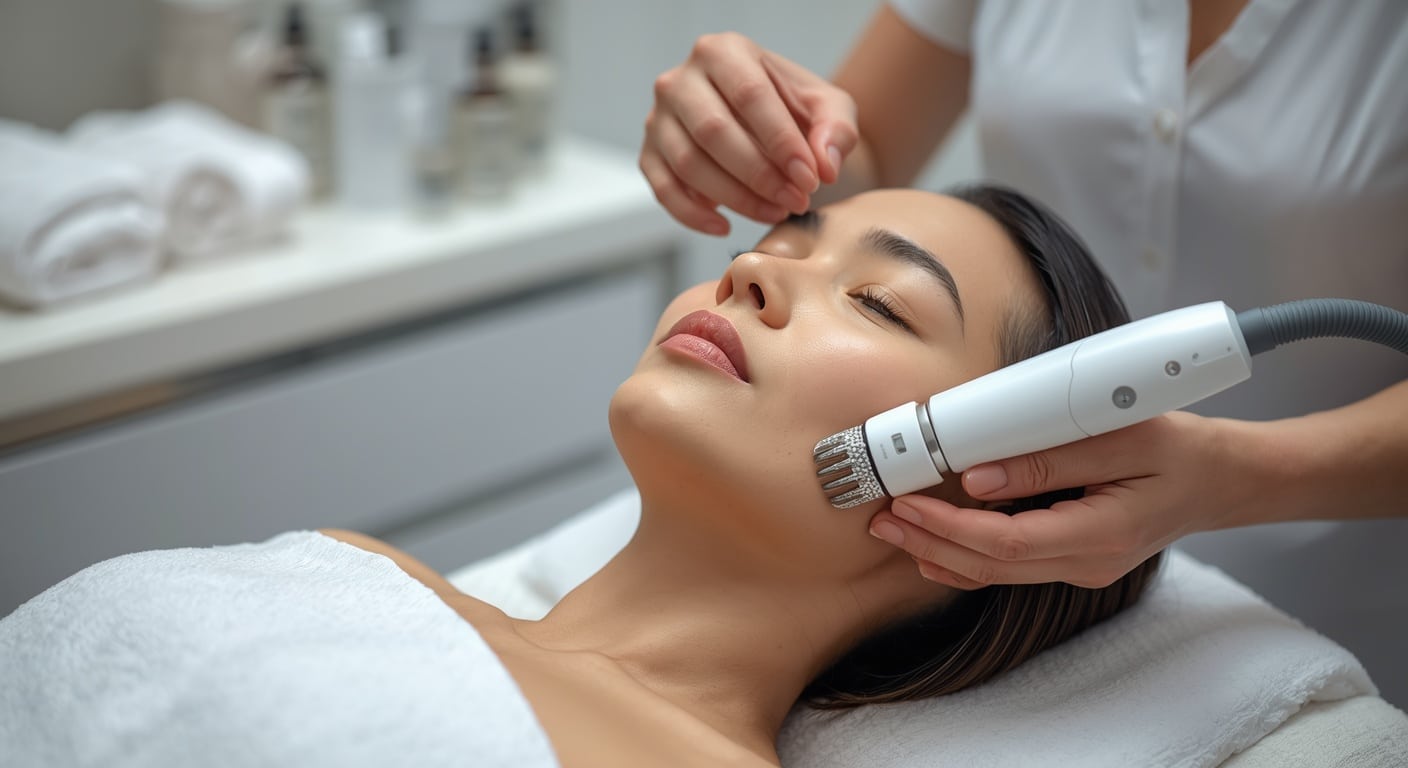
If you are researching hydrafacial malaysia options, the main thing to know is that a Hydrafacial is generally positioned as a non-invasive facial that combines cleansing, exfoliation, extraction and hydration in one treatment. People often consider it for skin that feels dull, congested or dehydrated, but results vary. It can be useful for some cosmetic concerns, though it is not a cure for medical skin conditions.
As with many facial treatments, the details matter. Your skin type, current skincare routine, level of sensitivity and the provider’s assessment can all affect whether it is a sensible option. If you are comparing it with other non-invasive facial treatments, our beauty treatments guide in Malaysia gives broader context on where it sits.
What is a Hydrafacial and how does it work?
A Hydrafacial is a non-invasive facial treatment that typically combines cleansing, exfoliation, extraction and hydration in one session. People often consider it for dullness, congestion or dehydration, but results vary and it is not a cure for medical skin conditions. Before booking in Malaysia, it is worth checking suitability, aftercare needs and the provider’s qualifications.
In simple terms, the treatment is designed to remove surface build-up, clear some congestion and help the skin feel more refreshed afterwards. It is often marketed as gentler and more structured than a basic facial because the process tends to follow set steps using a device rather than relying only on manual techniques.
People usually look into it when they want skin that feels cleaner, smoother or better hydrated before an event, or when their complexion is looking tired from heat, humidity, sunscreen build-up or long hours in air-conditioned spaces. In Malaysia, that combination of sweat, oil and environmental exposure can make the idea of a deep-cleansing but low-downtime facial appealing.
Still, it helps to keep expectations realistic. A Hydrafacial may temporarily improve how the skin looks and feels, especially if dullness or surface congestion is the main issue. It will not replace long-term skincare habits, and it should not be treated as a substitute for medical care if you have persistent acne, rosacea, eczema, severe irritation or another ongoing skin concern.
What happens during a typical Hydrafacial session?
A typical Hydrafacial process usually follows these steps:
- Cleansing and exfoliation to remove surface oil, makeup residue and dead skin build-up.
- Extraction to lift out some surface congestion from pores.
- Hydration with treatment solutions or serums aimed at leaving skin feeling fresher and more comfortable.
- Finishing care such as moisturiser and sun protection, depending on the provider’s routine.
The treatment usually starts with cleansing and exfoliation. This step is meant to clear away the layer of debris, excess oil and dead skin cells that can leave the complexion looking flat. For readers who deal with frequent sunscreen use, sweating and city pollution, this is often one of the main reasons the treatment is considered in the first place.
Next comes extraction of surface congestion. In many descriptions of how Hydrafacial works, this is the stage associated with clearing pores more efficiently than a standard wash or light home exfoliation. That does not mean every blackhead or clogged pore disappears in one session, but some people may notice skin feels cleaner afterwards.
The hydration phase follows. This is where the treatment aims to replenish moisture and support a fresher feel. Even people with oily skin can experience dehydration, especially if they spend a lot of time in air-conditioning or use drying anti-acne products. That is why hydration is often included as a core part of the process rather than treated as an extra.
A final step may include moisturiser, sunscreen or other finishing products chosen by the provider. If you are having the treatment during the day, sun protection matters, especially in Malaysia where UV exposure is a year-round issue.
How long does it take and what does it feel like?
Session length can vary by provider and any add-ons they offer, but many people describe it as a relatively straightforward facial appointment rather than an intensive procedure. Sensations are often described as wet, suction-based or lightly active on the skin rather than sharply painful. That said, comfort can depend on your skin barrier, sensitivity level and how congested or reactive your skin already is.
If your skin is easily irritated, it is worth asking exactly how the provider adjusts the treatment rather than assuming every Hydrafacial treatment in Malaysia is carried out in the same way.
Potential benefits people look for
The main hydrafacial facial benefits people usually hope for are cosmetic and short term: skin that feels smoother, looks fresher and seems less weighed down by surface build-up. Some also like the idea of a treatment that combines multiple steps in one appointment.
Possible benefits people may notice include:
- smoother-feeling skin
- a fresher or more awake appearance
- temporary improvement in dullness
- less obvious surface congestion
- skin that feels more hydrated afterwards
These effects can be more noticeable for some people than others. Someone whose main issue is mild dullness or temporary dehydration may feel happier with the result than someone expecting major changes in long-standing acne marks, deep pigmentation or chronic redness.
It is also worth separating immediate appearance from long-term skin management. A facial can support how the skin looks and feels in the near term, but it does not automatically change the underlying cause of congestion, sensitivity or ongoing breakouts. Consistent daily skincare, sun protection and appropriate professional advice still matter.
Who may consider a Hydrafacial?
A Hydrafacial may appeal to people with a few different skin goals, but suitability is individual.
Oily or congested skin
If your skin tends to feel greasy by midday or congested from heavy sunscreen, sweat and humidity, the cleansing and extraction elements may sound especially relevant. Some people with oily skin consider a Hydrafacial when they want a reset that feels more thorough than home cleansing alone.
That said, oily skin can still be sensitive, dehydrated or breakout-prone. Stronger is not always better, and overdoing exfoliation can make the skin feel more reactive rather than calmer.
Dry or dehydrated skin
People with dry-feeling or dehydrated skin may be interested in the hydration side of the treatment. This can be especially relevant if skin feels tight from air-conditioning, frequent cleansing or active skincare products. A treatment focused on both exfoliation and hydration may leave the skin feeling more comfortable for some people.
Still, if the skin barrier is already irritated or compromised, extra caution is sensible.
Sensitive skin
Sensitive skin does not automatically rule out a Hydrafacial, but it does mean the treatment should not be booked casually without discussing your history. If you flush easily, react to many products or are currently dealing with irritation, ask how the provider assesses sensitivity and whether adjustments are made.
Even a treatment marketed as gentle may not suit every sensitive skin type.
Acne-prone skin and persistent skin concerns
Some people with acne-prone skin look into Hydrafacial for oily skin or mild congestion, but active breakouts, inflamed skin or persistent acne may need more careful professional assessment. The same applies to rosacea, eczema, unexplained rashes and ongoing irritation.
If your concern is clearly medical rather than mainly cosmetic, or if symptoms are persistent or worsening, a dermatologist or appropriately qualified healthcare professional is a better starting point than a routine facial booking.
Hydrafacial limitations, side effects and safety considerations
One reason people search for hydrafacial side effects is that marketing around facials can make them sound universally easy. In reality, no treatment suits everyone.
Common short-term reactions after a Hydrafacial may include:
- mild redness
- temporary sensitivity
- a feeling of warmth or tightness
- occasional irritation, depending on your skin and what was used
For many people, these reactions are mild and settle fairly quickly, but that is not guaranteed. If your skin barrier is compromised, if you are already irritated, or if you are using strong actives, the chance of discomfort may be higher.
You may need to postpone treatment if you currently have sunburn, broken skin, an active rash, significant irritation or another flare-up that makes the skin especially reactive. It is also sensible to mention any recent procedures, prescription skincare or products that tend to make your skin peel or sting.
A Hydrafacial is also not the right answer for every concern. It may help with temporary dullness or surface congestion, but it is not a realistic substitute for diagnosis or treatment of persistent acne, rosacea, eczema, infections or other medical skin issues.
If you have a history of allergic reactions, severe sensitivity or ongoing inflammatory skin symptoms, check with an appropriately qualified professional before booking.
Hydrafacial vs regular facial: what is the difference?
If you are comparing hydrafacial vs regular facial options, the difference is usually in the process, consistency and treatment goals rather than one being universally better.
| Aspect | Hydrafacial | Regular facial |
|---|---|---|
| Approach | Usually follows a device-based, step-by-step process | Often varies more by provider, technique and facial type |
| Main focus | Cleansing, exfoliation, extraction and hydration in one session | May focus on relaxation, massage, cleansing, masks or customised concerns |
| Experience | Often chosen by people wanting a more structured treatment format | May appeal to people who prefer a traditional hands-on facial experience |
| Best for | Depends on skin goals, congestion level, sensitivity and provider assessment | Depends on skin goals, congestion level, sensitivity and provider assessment |
A regular facial can be a broad category. Some are mainly about comfort and maintenance, while others include extractions, exfoliation or targeted masks. Hydrafacial is generally discussed as a more standardised treatment concept, while a regular facial can vary a lot from one clinic or salon to another.
Some people prefer Hydrafacial when they want a clear process with minimal interruption to their schedule. Others may prefer a traditional facial for the more customised or relaxing experience. The better option depends on your skin goals, budget, sensitivity and the quality of the provider’s assessment.
What to ask a provider before booking in Malaysia
Before choosing a hydrafacial treatment malaysia provider, ask practical questions rather than focusing only on marketing images or package deals.
- Who will perform the treatment? Ask about their qualifications, training and experience with this type of facial.
- How do you assess suitability? A reputable provider should ask about your skin concerns, sensitivity, current routine and recent treatments.
- What should I stop using before the appointment? This matters if you use exfoliating acids, retinoids or other active products.
- What reactions are possible afterwards? You want realistic advice, not a promise that everyone walks out with zero redness.
- What aftercare do you recommend? Good aftercare guidance should cover cleansing, moisturising, sun protection and temporary product adjustments if needed.
- When should I avoid treatment? This helps reveal whether the provider screens properly for irritation, active flare-ups or other concerns.
In Malaysia, where many aesthetic and facial options are available, a provider’s willingness to explain limitations is often more reassuring than overconfident claims. If someone brushes off your concerns, pushes treatment without assessing your skin, or suggests it can solve every issue, that is a reason to slow down.
How to prepare for a Hydrafacial and what to do after
Before your appointment
Preparation is usually simple, but it still matters. Let the provider know if you have recently used strong exfoliants, prescription products, or had another treatment that left your skin tender. Arrive with a clear picture of what your skin has been doing lately, especially if you have had redness, peeling or unusual sensitivity.
If your skin is already irritated, do not assume a facial will calm it down. It may be better to reschedule and let the skin settle first.
Aftercare
Hydrafacial aftercare is mostly about keeping things calm. Many people are able to return to normal activities quickly, but the skin may still be more reactive than usual for a short period.
After your session, it is generally sensible to:
- use gentle cleansing and moisturising products
- avoid over-exfoliating
- be cautious with strong active skincare if your provider advises a temporary pause
- wear sunscreen consistently
- limit heat or sun exposure if your skin feels sensitive
Sun protection is especially important in Malaysia. Even if redness is mild, fresh post-treatment skin and strong daytime UV are not a good combination. If you spend time outdoors, reapply sunscreen as needed and take sensible shade precautions.
If you experience more than mild temporary irritation, or if your skin develops an unexpected reaction, contact the provider and seek appropriate medical advice if symptoms seem significant.
Is a Hydrafacial worth considering?
A Hydrafacial may be worth considering if you want a non-invasive facial focused on cleansing, exfoliation, extraction and hydration, and if your expectations are realistic. It can make sense for people looking for a refreshed feel, temporary help with surface congestion, or a treatment that usually involves little disruption to daily life.
It may be less suitable if your skin is currently irritated, if you are hoping for dramatic treatment of a persistent medical skin condition, or if you have not yet had proper assessment for ongoing acne, redness or inflammation.
The best booking decision is usually an informed one: know what the treatment is designed to do, know what it cannot do, and choose a provider who assesses your skin carefully rather than promising universal results.
Frequently Asked Questions
How long do Hydrafacial results usually last?
There is no single timeline that applies to everyone. How long the skin looks or feels refreshed can vary based on your skin type, daily routine, environment, sun exposure and the provider’s aftercare advice.
Can you get a Hydrafacial if you have acne-prone or sensitive skin?
Some people with acne-prone or sensitive skin may consider it, but suitability depends on the condition of the skin at the time, the level of irritation and the provider’s assessment. If you have inflamed breakouts, rosacea or ongoing sensitivity, professional guidance is especially important.
Is there any downtime after a Hydrafacial?
Downtime is often minimal for many people, which is one reason the treatment is popular. Even so, temporary redness or sensitivity can happen, so it is still worth planning sensible aftercare.
What should you avoid after a Hydrafacial?
Avoid harsh exfoliation, unnecessary strong actives if advised to pause them, excessive sun exposure and anything that seems to trigger irritation while your skin settles. Follow the provider’s aftercare instructions if they give specific guidance.
How is a Hydrafacial different from a regular facial?
A Hydrafacial usually refers to a more structured treatment process built around cleansing, exfoliation, extraction and hydration. A regular facial can vary a lot depending on the provider and may emphasise relaxation, massage, masks or general maintenance instead.