Dry body skin care usually comes down to a few simple habits done consistently: cleanse gently, keep showers short and lukewarm, and apply moisturiser soon after bathing. If your skin often feels tight, rough or flaky, small routine changes can make a noticeable difference without making body care complicated.
If you want a broader routine beyond dryness alone, see our complete body care guide.
For most people, the best approach is to avoid stripping the skin barrier. That means very hot water, harsh soaps and aggressive scrubbing are often part of the problem rather than the solution.
- Use a mild body cleanser instead of a harsh soap.
- Take short, lukewarm showers rather than long hot ones.
- Pat skin dry and apply moisturiser while skin is still slightly damp.
- Reapply on drier areas such as elbows, knees and shins when needed.
What dry body skin care usually involves
A body care routine for dry skin does not need dozens of products. In most cases, it is about reducing water loss and helping the skin feel more comfortable. Dry skin on the body often improves when cleansing is gentler and moisturising becomes more consistent.
The basic routine looks like this:
- Wash with a gentle body cleanser.
- Keep shower time short and use lukewarm water.
- Pat dry instead of rubbing with a towel.
- Apply body lotion, cream or ointment right away.
- Top up very dry areas later in the day if needed.
Gentle cleansing matters because the skin needs some of its natural oils to stay comfortable. Consistent moisturising matters because it helps reduce that tight, rough feeling that often shows up after showering or spending time in air-conditioning.
How to tell if your body skin is dry
Dry body skin does not always look dramatic. Sometimes it simply feels uncomfortable. Common signs include:
- tightness after bathing
- rough texture, especially on the arms or legs
- fine flaking or ashiness
- itchiness
- dry elbows, knees or shins
- skin that looks dull rather than smooth
Dryness can be temporary or more persistent. You may notice it more after repeated hot showers, frequent cleansing, long hours in air-conditioned spaces or increased sun exposure on uncovered areas.
In Malaysia, some people assume dry skin is less likely because the weather is humid. But sweating, showering more often and moving between outdoor heat and strong indoor cooling can still leave body skin feeling dehydrated or uncomfortable.
What can make body skin feel drier
Hot showers and long baths
Very hot water can leave skin feeling clean in the moment but stripped afterwards. Long exposure to hot water can increase transepidermal water loss, which means the skin has a harder time holding on to moisture.
Harsh soaps and heavily fragranced products
Some cleansers leave the skin feeling squeaky clean, but that stripped feeling is not always a good sign. Strong foaming products, traditional soaps and heavily fragranced formulas can be too much for skin that is already dry or sensitive.
Over-exfoliating or scrubbing too often
If your skin is flaky, it is tempting to scrub it away. The problem is that repeated physical scrubbing or frequent use of strong exfoliants can worsen irritation and leave the skin barrier more vulnerable.
Indoor cooling, sun exposure and low-humidity environments
Air-conditioning can make skin feel tighter over time, especially if you already have dry patches. Sun exposure can also add stress to exposed areas such as the arms, shoulders and legs. Even in a hot climate, your skin may still need support to stay comfortable.
Build a gentle dry body skin care routine
1. Choose a mild body cleanser
Look for a gentle cleanser that cleans without leaving your skin feeling stripped. A dry skin body wash is usually a better choice than a harsh soap if your skin tends to feel rough or itchy afterwards.
Useful things to look for include:
- fragrance-free or lightly fragranced formulas if your skin is easily irritated
- a creamy or lotion-like texture
- formulas marketed as gentle or suitable for dry skin
You do not necessarily need to lather every part of the body heavily. Areas that get sweatier, such as underarms, feet and skin folds, may need more cleansing than areas that are not visibly dirty.
2. Keep showers short and lukewarm
If you are trying to work out how to stop body skin from drying out, this is one of the most useful changes. Lukewarm water is usually more comfortable for dry skin than hot water, and shorter showers reduce the amount of time your skin is exposed.
If you shower more than once a day because of heat, workouts or commuting, consider keeping one shower more minimal, using cleanser only where you really need it.
3. Pat skin dry instead of rubbing
Rubbing with a towel can add friction, especially on already dry areas. Patting the skin dry leaves a little moisture behind and is generally kinder to rough patches.
4. Apply moisturiser right after showering
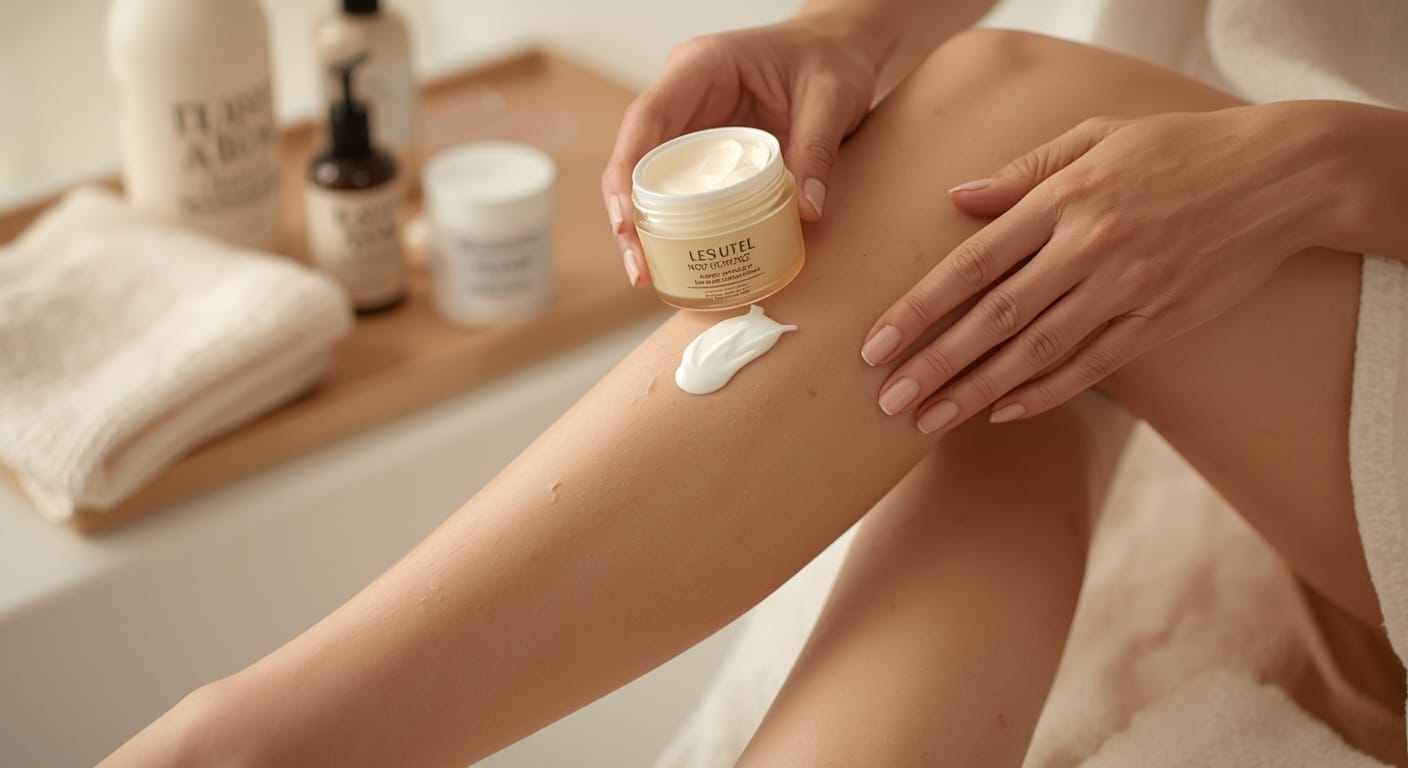
This is one of the most effective steps in dry body skin care. Try to apply moisturiser within a few minutes of bathing, while your skin is still slightly damp. That helps trap some water in the skin instead of letting it evaporate completely.
If you often deal with dry skin after shower, the timing of moisturiser may matter just as much as the product itself.
5. Reapply to very dry areas when needed
Elbows, knees, ankles and shins often need extra attention. If those areas still feel rough later in the day, add another layer of body cream or ointment rather than scrubbing them.
How to choose the right moisturiser for dry body skin
Lotions vs creams vs ointments
Not every moisturiser feels the same, and texture can affect whether you use it consistently.
| Type | Texture | Best for |
|---|---|---|
| Lotion | Lightweight | Mild dryness, daytime use, hot weather |
| Cream | Richer | Moderate dryness, rough patches, overnight use |
| Ointment | Heavier, more occlusive | Very dry spots such as elbows, knees or cracked-feeling areas |
A body lotion for dry skin may feel easier to wear during the day, especially in humid weather. A body cream or ointment may be more useful at night or on stubborn rough patches.
Ingredients that can help support hydration
You do not need to memorise ingredient lists, but a few categories are useful to know:
- Humectants such as glycerin and hyaluronic acid help draw water to the skin.
- Emollients such as shea butter help the skin feel smoother and softer.
- Occlusives such as petrolatum help reduce moisture loss by forming a protective layer.
- Barrier-supporting ingredients such as ceramides are commonly used in moisturisers for dry skin.
- Urea and lactic acid may be found in some body moisturisers aimed at rough, flaky areas.
These ingredients can be helpful, but the best routine for dry skin on body is still the one you can use regularly without irritation.
When fragrance-free options may be worth considering
If your skin is dry and also easily irritated, a fragrance-free moisturiser may be a practical choice. Fragrance is not a problem for everyone, but fewer potential irritants can make it easier to work out what your skin tolerates well.
Should you exfoliate dry body skin?
Sometimes, yes, but gently and not too often. If your skin has a build-up of flaky surface cells, very mild exfoliation may help smooth the texture and allow moisturiser to feel more effective. The key is not to treat every rough patch as something that needs stronger scrubbing.
When gentle exfoliation may help
You may find light exfoliation useful on areas like elbows, knees or upper arms if they feel persistently rough. A soft washcloth used gently, or a mild exfoliating body product, may be enough for some people.
Why over-exfoliation can worsen dryness
If the skin barrier is already struggling, repeated scrubbing can make the area feel tighter, sting more after showering or become more flaky. Skin that feels raw or irritated usually needs moisture and less friction, not more.
Areas that may need extra care
Bony areas and places with frequent friction, such as elbows, knees and ankles, can become especially dry. Focus on moisturising first. If you choose to exfoliate, keep it occasional and stop if the area becomes more irritated.
Practical daily habits that support softer body skin
Clothing, towel and shaving habits
Daily friction can affect how dry your skin feels. A few small adjustments can help:
- Choose softer fabrics if rough clothing seems to irritate your skin.
- Use a soft towel and pat rather than rub.
- If shaving dries your skin out, use a gentle shaving product and moisturise afterwards.
Using sunscreen on exposed areas
If your arms, chest or legs are regularly exposed to the sun, sunscreen is part of body care too. Sun exposure can make already dry skin feel more stressed, even if it is not the main cause of dryness.
Adjusting your routine for Malaysia’s heat, sweat and air-conditioning
In Malaysia, your routine may need to be flexible. During very hot days, you might prefer a lighter lotion in the morning and a richer cream at night. If you spend long hours in air-conditioned offices, malls or cars, you may notice more tightness by the evening even when the weather outside is humid.
Frequent showering after sweating can also add up. If your skin starts to feel dry, try making at least one shower gentler and follow it with a proper post-shower routine instead of rinsing and moving on.
Common mistakes that can worsen dry body skin
- Waiting too long to moisturise after bathing: skin tends to lose moisture quickly once fully dry.
- Using products that feel strong but are too stripping: clean does not need to mean squeaky.
- Assuming all rough skin needs more scrubbing: many rough areas need barrier support, not friction.
- Switching products too often: it becomes harder to tell what is helping or causing irritation.
- Ignoring exposed body areas: body skin on the arms and legs can still need sunscreen and moisturiser.
When dry body skin may need professional advice
Cosmetic body care has limits. If dryness is mild, a gentler routine may be enough. But if the skin is persistently very itchy, cracked, inflamed, painful or not improving with basic care, it is worth getting professional advice.
You should also consider medical assessment if:
- you have patches that are repeatedly red or irritated
- the skin is broken or weeping
- itching is affecting sleep or daily comfort
- you think a product may be causing an allergic or irritant reaction
- you are unsure whether the problem is simple dryness or another skin condition
A doctor, dermatologist or pharmacist can help if symptoms are persistent or more severe.
Frequently Asked Questions
How often should you moisturise dry body skin?
At minimum, once daily after showering is a good starting point. If certain areas stay rough or tight, you may need to reapply later in the day, especially on elbows, knees, ankles and shins.
Is body lotion or body cream better for dry skin?
It depends on how dry your skin feels and what texture you are likely to use consistently. Lotions are lighter and may feel more comfortable in hot weather, while creams are usually richer and often better for more noticeable dryness.
Can hot showers make body skin drier?
Yes, they can. Hot water and long showers may strip the skin more than lukewarm, shorter showers, which can leave your skin feeling tighter afterwards.
Should you exfoliate if your body skin is dry and flaky?
Sometimes, but gently. Mild exfoliation may help with flaky build-up, but frequent scrubbing can worsen dryness. If the skin feels irritated, focus on moisturising and reducing friction first.
When should dry body skin be checked by a doctor or dermatologist?
If dryness is persistent, very itchy, cracked, inflamed or not improving with a simple routine, it is sensible to get professional advice. The same applies if you suspect an allergic reaction or another skin condition.
A simple way to start
If your body skin feels dry, start with the basics for a couple of weeks: switch to a gentler cleanser, shorten hot showers, and moisturise promptly after bathing. For many people, those changes do more than adding extra products or scrubbing rough patches harder.