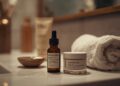
Yes, sleep can affect your skin. Research suggests that poor sleep and inconsistent sleep quality may be linked to dullness, tired-looking skin, a weaker skin barrier, and slower recovery from daily stressors. Sleep is only one part of the picture, though, alongside sun exposure, skincare habits, stress, diet, and overall health.
If you are thinking about sleep and skin health, it helps to see sleep as a support factor rather than a quick fix. A good night’s sleep may help skin function normally and look more refreshed, but it will not automatically clear acne, fade pigmentation, or resolve ongoing skin conditions on its own. For a broader look at lifestyle habits that affect appearance and wellbeing, see our beauty and wellness guide.
How sleep and skin health are connected
Sleep gives the body time to carry out many normal recovery processes, and skin is part of that picture. While you sleep, the skin continues its regular functions, including maintaining its barrier, balancing moisture, and responding to daily stressors such as UV exposure, pollution, sweat, friction, and cleansing.
In simple terms, sleep does not act like a facial treatment. Instead, it supports the conditions that help skin function well.
- Sleep supports normal skin recovery and barrier function.
- Poor sleep may make skin look dull, tired, or less refreshed.
- Sleep loss may increase stress-related effects that can influence skin.
- Good sleep does not guarantee clear skin, but it can support overall skin health.
That is why the effects of poor sleep are often subtle at first. You may notice that your skin looks less bright, feels drier, or seems more reactive. Over time, if poor sleep becomes a pattern, those changes may become more noticeable.
Why sleep matters for recovery and skin function
Your skin is constantly exposed to the outside environment, so it relies on routine maintenance. One of its key jobs is to act as a barrier, helping to keep moisture in while limiting irritation from outside triggers. When sleep quality is poor, that balance may be affected.
Sleep also interacts with stress, hormones, and daily habits. If you sleep badly, you may be more likely to feel stressed, skip parts of your routine, forget sunscreen, or over-cleanse tired skin the next morning. In that way, the relationship between sleep and skin is both biological and practical.
What the evidence suggests about poor sleep and skin appearance
When people ask, does sleep affect your skin, they are usually thinking about visible changes first. That makes sense, because appearance is often where the effects show up most quickly.
Dullness, tired-looking skin, and overall skin quality
Poor sleep may be linked to skin that looks less fresh or less even. Some people notice dullness, roughness, or a general “tired” look after short or disrupted sleep. This does not necessarily mean the skin is damaged in a dramatic way, but it may reflect reduced comfort, dehydration, or a less supported barrier.
Another reason skin can look worse after poor sleep is that tiredness changes more than the skin itself. Facial expression, under-eye swelling, and a less rested appearance can all make the skin look less vibrant, even if the change is temporary.
Dark circles and puffiness: what sleep may and may not change
Lack of sleep can make under-eye darkness or puffiness more noticeable in some people, but it is not the only cause. Dark circles can also be influenced by genetics, natural facial structure, pigmentation, allergies, or simple shadowing under the eyes. Puffiness may be affected by fluid retention, salt intake, crying, sinus issues, or sleeping position.
So while better sleep may help some people look less puffy or less tired around the eyes, it is not a guaranteed fix for dark circles. If under-eye concerns are persistent, sleep may be only one small part of the picture.
Why results vary from person to person
Not everyone sees the same skin changes from the same amount of sleep. Skin type, age, stress levels, routine consistency, sun exposure, existing skin concerns, and general health all matter. One bad night may leave one person looking drawn and another person looking mostly the same.
Patterns are usually more useful than isolated nights. A single late bedtime is different from ongoing poor sleep, frequent waking, or a schedule that changes constantly.
Sleep, skin barrier function, and everyday stress
What the skin barrier does
The skin barrier is the outer protective layer that helps reduce transepidermal water loss and shields the skin from external irritation. When the barrier is doing its job well, skin generally feels more comfortable and is less likely to become dry, tight, or easily irritated.
If the barrier is weakened, skin may lose moisture more easily and feel more sensitive. That does not mean sleep is the only reason for barrier issues. Harsh cleansers, over-exfoliation, strong active ingredients, low humidity from air conditioning, and too many products can all play a part as well.
How stress and disrupted sleep may affect the skin
Sleep disruption and stress often feed into each other. If you are stressed, you may sleep poorly. If you sleep poorly, daily stress can feel harder to manage. That matters for skin because stress-related changes may influence oil production, skin comfort, and overall appearance.
This is one reason poor sleep and skin can seem connected even when sleep is not the only direct cause. A stressful period may come with breakouts, dullness, rubbing tired eyes, dehydration, or skipped skincare. Instead of isolating one single trigger, it is often more realistic to see sleep as part of a wider wellbeing pattern.
Can lack of sleep cause acne or other skin problems?
What sleep may influence indirectly
It is more accurate to say that lack of sleep may influence some skin issues indirectly rather than directly causing them. For example, poor sleep may be associated with more stress, less routine consistency, more face touching, or a greater chance of leaving makeup and sunscreen on overnight. Those habits can affect how skin behaves.
Breakouts may also seem worse during times of poor sleep because stress, diet changes, and hormonal fluctuations often happen alongside it. That does not mean sleep deprivation alone causes acne.
Why acne, eczema, and pigmentation need a careful explanation
Acne, eczema, and pigmentation are more complex than “sleep more and it will improve”. Sleep may play a supporting role in overall skin health, but it is not a cure.
Acne can be influenced by oil production, clogged pores, hormones, inflammation, and product choice. Eczema involves barrier dysfunction and irritation triggers, and it may also affect sleep in return because itchy skin can disturb rest. Pigmentation has its own set of causes, including sun exposure and inflammation.
If you have persistent acne, eczema flares, unusual rashes, worsening pigmentation, or significant irritation, proper assessment matters more than trying to solve everything by adjusting sleep alone. A dermatologist, doctor, or pharmacist may be able to help depending on the concern.
Other factors that affect your skin more than one bad night
One poor night of sleep can leave you looking tired, but it usually matters less than your long-term habits. In everyday life, several other factors often have a stronger effect on skin appearance and function.
Sun exposure and sunscreen habits
Regular UV exposure plays a major role in how skin looks over time. If you want to support skin health, daily sun protection is likely to matter more than trying to compensate for poor sleep with extra products.
Even in cloudy weather or indoor-outdoor routines, UV exposure still adds up. In Malaysia, year-round sun and heat make sunscreen habits especially relevant.
Skincare routine and cleansing habits
A simple, consistent routine usually helps more than doing too much when your skin looks tired. Gentle cleansing, a suitable moisturiser, and daytime sun protection are often enough for many people. Over-scrubbing, stacking too many actives, or trying to “wake up” the skin with harsh products can make it feel worse.
If you are exhausted, the most useful routine is often the one you can stick to. Removing makeup and sunscreen properly before bed is more helpful than owning a long routine that you skip when tired.
Stress, diet, hydration, and overall health
Stress, food choices, hydration, exercise, medications, and underlying health issues can all affect how your skin looks and feels. That is another reason not to overstate beauty sleep evidence. Sleep matters, but it sits alongside many everyday influences.
If your skin suddenly changes and you cannot link it to obvious routine or environmental factors, it is worth considering the wider context rather than focusing on sleep alone.
How to support sleep and skin health in real life
You do not need an elaborate wellness routine to support better sleep. Small, consistent habits are usually more realistic and more useful.
Aim for a consistent sleep schedule
Going to bed and waking up at roughly the same time each day can be more helpful than chasing perfect sleep on some nights and very little on others. A consistent rhythm may support better sleep quality, which in turn may help you feel and look more rested.
If your schedule is irregular because of work, study, or family demands, try to reduce the extremes where possible. Even a steadier bedtime routine can help.
Create a bedroom environment that supports better sleep
A sleep-friendly room is usually quiet, dark enough, and comfortably cool. If your room feels stuffy or too warm, sleep may be more disrupted. Breathable bedding and a stable room temperature can make a difference to comfort.
Try to keep your sleep space as restful as possible. That often matters more than buying extra products for tired-looking skin.
Keep evening habits skin- and sleep-friendly
Late nights often come with habits that are not especially helpful for skin: sleeping in makeup, skipping cleansing, over-snacking, or staying on screens until you feel wired. A short evening routine is often easier to maintain than an ambitious one.
- Remove makeup and sunscreen before bed.
- Use a gentle cleanser rather than harsh scrubs.
- Apply a moisturiser if your skin feels dry or tight.
- Try to leave enough time between your routine and sleep so you are not rushing through it half-awake.
Choose simple skincare that supports the barrier
If your skin already looks tired or feels reactive, barrier support usually makes more sense than using strong products just because your skin seems dull. Look for a routine that feels comfortable and consistent rather than aggressive.
If you already use active ingredients, introducing too many at once during a stressful or sleep-deprived period may backfire. When the skin feels off, simpler is often better.
Sleep habits that may be especially useful in Malaysia
Managing heat, humidity, and air conditioning
Malaysia’s hot and humid weather can make it harder to sleep comfortably, especially if your room gets warm at night. At the same time, heavy air conditioning can leave some people feeling dry or congested by morning. Both comfort and skin feel can be affected.
If possible, aim for a bedroom temperature that feels cool without becoming overly drying. This can help with sleep comfort and may reduce that tight, dehydrated feeling some people notice after sleeping in strong air conditioning.
Keeping nighttime skincare comfortable in a humid climate
In humid weather, very heavy layers may feel uncomfortable before bed, especially if you already sweat easily at night. A lighter routine may be easier to tolerate and stick with. If your skin still feels dehydrated from indoor cooling, a moisturiser with a comfortable texture may help support the barrier without feeling too occlusive.
The goal is not to use the richest routine possible. It is to choose something you can use regularly in your actual environment.
When to see a dermatologist or healthcare professional
Persistent skin changes that need proper assessment
If your skin concerns are ongoing, worsening, painful, very itchy, or affecting your confidence significantly, it is worth getting proper advice. This includes persistent acne, repeated irritation, eczema symptoms, rashes, unexplained pigmentation changes, or skin changes that do not improve with simple routine adjustments.
Sleep may be relevant, but it should not delay assessment when a skin concern needs specific treatment or diagnosis.
When sleep issues go beyond beauty concerns
If you regularly struggle to fall asleep, wake often, feel unrefreshed most mornings, or have daytime tiredness that affects work, study, mood, or safety, the issue is bigger than appearance. A doctor or appropriately qualified healthcare professional can help assess ongoing sleep concerns.
Better sleep can support general wellbeing and may also help your skin look less stressed over time, but persistent sleep problems deserve attention in their own right.
Frequently Asked Questions
Can one night of poor sleep affect your skin?
It can, at least temporarily. Some people notice dullness, puffiness, dryness, or a more tired-looking complexion after one poor night. Usually, these short-term changes are less important than long-term patterns of poor sleep.
Does more sleep help with dark circles?
It may help if tiredness is making dark circles look worse, but it will not fix every cause. Genetics, pigmentation, allergies, and facial structure can all contribute to under-eye darkness.
Can lack of sleep cause breakouts?
It is better to think of sleep as an indirect factor. Poor sleep may be linked to stress and inconsistent habits, which can influence breakouts, but it is too simplistic to say lack of sleep directly causes acne.
How many hours of sleep is best for skin health?
There is no special number that guarantees better skin. In general, getting enough sleep consistently for your needs is more useful than focusing on a beauty-specific target. Sleep quality and routine matter as well as duration.
What skincare routine works best when your skin looks tired?
Keep it simple: cleanse gently, use a moisturiser if needed, and wear sunscreen during the day. If your skin feels stressed or dry, avoid over-exfoliating or piling on too many strong actives at once.
A realistic takeaway
Sleep and skin health are connected, but not in a magical or all-or-nothing way. Better sleep may support a healthier-looking complexion, a more comfortable skin barrier, and easier recovery from daily stressors. It is still only one part of the picture. If you want your skin to look and feel better, think in patterns: sleep, sunscreen, a simple routine, and overall wellbeing usually matter more than trying to fix everything after one late night.