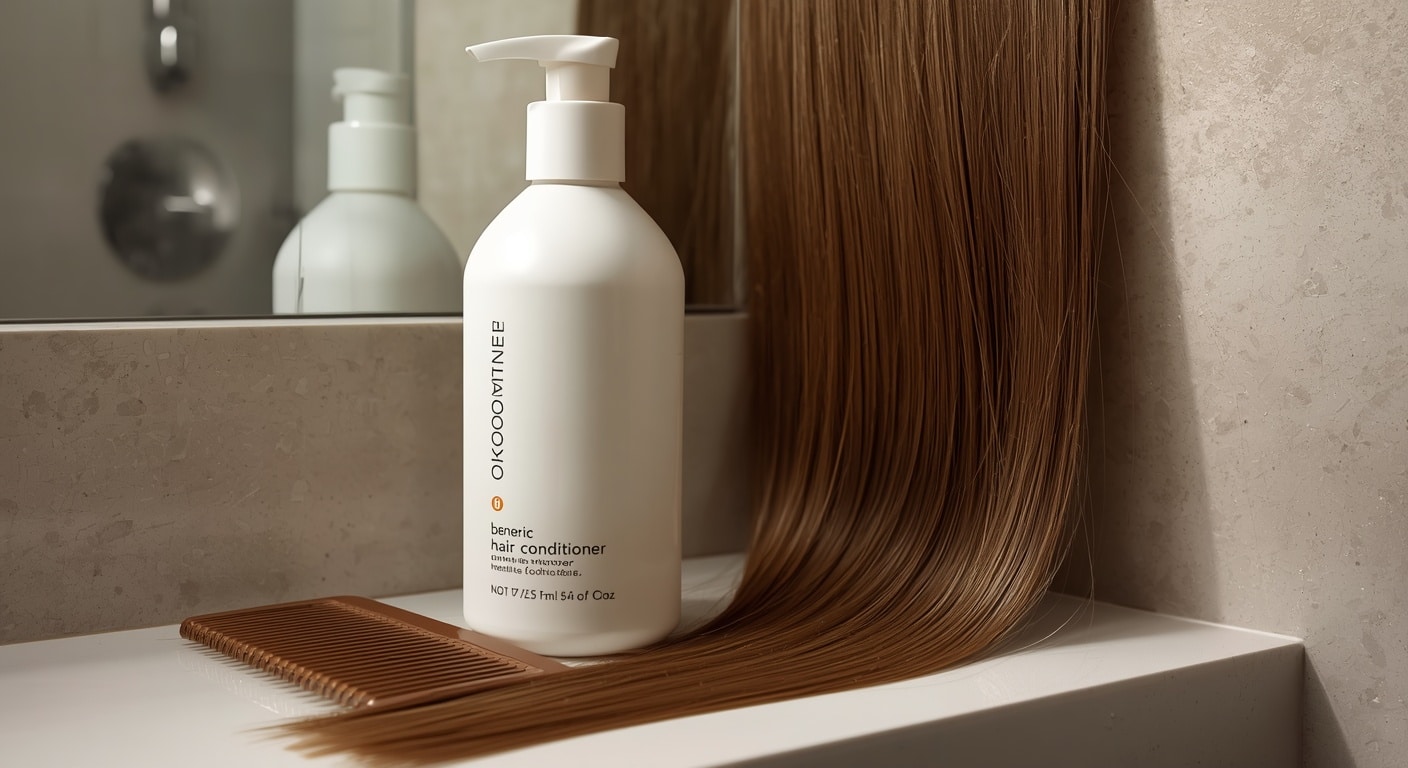
If you are wondering how to use hair conditioner properly, the basic method is simple: shampoo first, squeeze out excess water, then apply conditioner mainly to the mid-lengths and ends of damp hair. Leave it on for the time stated on the label, then rinse thoroughly. That said, the right amount and placement can change depending on whether your hair is fine, oily, dry, curly, coloured or damaged.
Hair conditioner is usually used after shampooing. Apply it to damp hair, focusing on the mid-lengths and ends, leave it on for the time directed on the product, then rinse thoroughly. Most people should avoid putting regular rinse-out conditioner directly on the scalp, especially if their roots get oily easily, though some formulas are made for scalp use.
If you want a broader foundation for washing, styling and maintaining your hair in local heat and humidity, start with our hair care guide for Malaysians.
How to use hair conditioner correctly
- Shampoo your hair and rinse it out.
- Gently squeeze excess water from your hair.
- Apply conditioner mainly to the mid-lengths and ends.
- Use only a small amount on fine or oily-prone hair.
- Leave it on for the time stated on the label.
- Rinse thoroughly with water.
Step 1: Shampoo first and rinse thoroughly
Shampoo and conditioner do different jobs. Shampoo helps remove oil, sweat, product residue and buildup from the scalp and hair. Conditioner is then used to add slip and softness back to the hair shaft, especially through the lengths and ends.
Apply conditioner after shampoo unless the product specifically says otherwise. If shampoo is left behind, the conditioner may not spread as evenly.
Step 2: Squeeze out excess water before applying conditioner
Hair that is dripping wet can dilute your conditioner and make it harder for the product to cling to the hair properly. After rinsing out shampoo, gently squeeze or press out excess water with your hands. Your hair should still be damp, just not soaking.
This small step often makes conditioner feel more effective without needing to use more product.
Step 3: Apply conditioner mainly to the mid-lengths and ends
Mid-lengths means the section between your roots and your ends. For most people, that is where conditioner belongs. The ends are usually the oldest, driest and most tangle-prone part of the hair, so they often benefit the most.
Spread the product through your palms first, then smooth it through the hair. If needed, use your fingers or a wide-tooth comb to help distribute it evenly. Fine hair usually needs only a small amount, while thicker or drier hair may need more.
Step 4: Leave it on for the time stated on the label
There is no universal timing that works for every conditioner. Some rinse-out formulas are meant to sit briefly, while richer masks or treatment-style conditioners may need longer. The safest approach is to follow the product directions rather than guessing.
Leaving a standard conditioner on much longer does not necessarily mean better results. In some cases, it can simply make the hair feel heavy or harder to rinse clean.
Step 5: Rinse thoroughly
Rinse until the hair feels smooth but not coated. If too much product is left behind, the hair can feel greasy, flat or weighed down. That is especially common in hot, humid weather or if your scalp becomes oily quickly.
Be gentler while rinsing and drying, particularly if your hair tangles easily or is already fragile from colouring, bleaching or heat styling.
What hair conditioner does and why it matters
How conditioner helps with softness, slip and detangling
Conditioner does not clean the hair. Its main role is to improve manageability after shampooing. It can help the hair feel softer, reduce friction between strands and make detangling easier. Many people also use it to reduce the rough, puffy feel that can happen after cleansing, especially if their hair is dry, coarse or exposed to frequent sun and heat.
In practical terms, a good conditioner can make combing easier and help hair feel less rough and less prone to snapping during brushing. It may also help minimise frizz and improve how the hair looks and feels between washes.
Why shampoo and conditioner do different jobs
Shampoo focuses on cleansing the scalp and removing oil, sweat and residue. Conditioner focuses more on the lengths of the hair, where dryness, tangles and wear are more common. Using shampoo alone may leave some hair types feeling rough or difficult to manage, while using conditioner without cleansing often does not address buildup.
That is why many routines use both, with each product placed where it is most useful.
Where to apply conditioner and where to avoid it
Why most rinse-out conditioners work best on lengths and ends
For most hair types, regular rinse-out conditioner works best from the mid-lengths down to the ends. Those areas are farther from the scalp’s natural oil and usually need more help with moisture, softness and detangling.
If your roots get flat or greasy easily, keeping conditioner away from the scalp can help your hair feel lighter and cleaner for longer.
When scalp application may or may not make sense
A common question is whether you should put conditioner on your scalp. In many cases, regular rinse-out conditioner is not necessary on the scalp, especially for oily-prone hair. Applying it too close to the roots may leave the hair looking limp or make buildup more noticeable.
That said, not every conditioner is the same. Some products are specifically formulated for scalp care or dry scalp comfort. If a product is designed for scalp use, follow its instructions rather than the usual rule for standard conditioner.
If you have ongoing irritation, a flaky scalp, soreness or sudden changes in scalp condition, a cosmetic routine may not be enough. That is a reasonable point to speak to a pharmacist, doctor or dermatologist.
How long to leave conditioner in your hair
Why the product directions matter
The label matters because different product types are made to work in different ways. A lightweight daily conditioner, a rich rinse-out conditioner and a leave-in formula are not used the same way. If the directions say to leave it on briefly and rinse, treat that as the default.
If you are trying a new formula, it can also help to start with the shorter end of the suggested time and see how your hair responds.
What can happen if you use too much or do not rinse well
Too much product or poor rinsing can leave the hair feeling coated, greasy or heavy. Fine hair may lose movement. Wavy or curly hair may feel sticky rather than defined. In humid conditions, residue can make the hair feel less fresh more quickly.
On the other hand, rinsing immediately before the product has had time to spread through the hair may reduce its benefits. Aim for the timing the product recommends, then rinse thoroughly.
How often should you use conditioner
Using conditioner every wash
Many people can use conditioner after every shampoo. That is often the simplest approach, especially if your hair tangles easily, feels dry through the ends or is exposed to regular washing, sun, swimming or heat styling.
When lighter or less frequent use may suit fine or oily-prone hair
If your hair is very fine, naturally limp or your scalp becomes oily quickly, you may still use conditioner each wash but adjust the amount. Start with less product and keep it strictly on the lower lengths. A lighter formula may suit you better than a rich one.
Some people with very short hair or extremely oily roots may find they do not need much conditioner every single wash. The key is to adjust based on how the hair actually feels rather than following a rigid rule.
When richer conditioning may help dry or damaged hair
Dry, coarse, bleached or heat-damaged hair often benefits from more consistent conditioning. That may mean using conditioner every wash, taking extra care through the ends and occasionally adding a leave-in product if the hair still feels rough after rinsing.
Conditioner can support manageability, but it will not reverse severe damage on its own. If hair is breaking heavily or suddenly feels very different, professional advice may be helpful.
How conditioner use changes by hair type
Fine or limp hair
Use a smaller amount and avoid the roots. Focus on the lower half of the hair. Heavy formulas can make fine strands fall flat quickly.
Oily scalp and humid-weather hair
In Malaysia’s heat and humidity, some people notice oilier roots sooner, especially if they sweat more or spend part of the day outdoors and part in air-conditioned spaces. In that case, apply conditioner only where needed and rinse very well. Keeping the product off the scalp often helps.
Dry, coarse or frizzy hair
Dry or coarse hair usually needs more coverage through the lengths and ends. Work the product through evenly, give it the full suggested time and avoid rough towel drying afterwards, which can increase friction.
Curly or wavy hair
Curly and wavy hair often benefits from conditioner because it can improve slip and make detangling easier. Spread it gently through the hair while damp so it reaches areas that knot easily. If your curls still feel dry after rinsing, a separate leave-in conditioner may help, as long as it suits your hair and does not create too much buildup.
Coloured, bleached or heat-damaged hair
Hair that has been coloured, bleached or frequently heat styled often feels rougher and tangles more easily. Be gentle when applying and rinsing. Focus on softness and reduced friction rather than expecting instant repair. Richer conditioning may help with comfort and manageability, but avoid overloading fragile hair with too much product at once.
Rinse-out conditioner vs leave-in conditioner
Key differences
A rinse-out conditioner is used in the shower after shampoo and then washed out. A leave-in conditioner is applied after washing and left on the hair without rinsing. Leave-in formulas are usually used in smaller amounts and are often chosen for extra softness, detangling or frizz control.
They are not interchangeable unless the product clearly says so. A standard rinse-out conditioner is not automatically meant to stay in the hair.
Can you use both in the same routine
Yes, some people use both. A common routine is rinse-out conditioner after shampoo, followed by a small amount of leave-in on damp lengths or ends. This can be useful for dry, curly or damaged hair, but it may feel too heavy for fine hair or oily-prone roots.
If you use both, keep the amounts controlled and pay attention to how your hair feels over the next day or two.
Common conditioner mistakes to avoid
- Applying too much product: more is not always better and can leave residue behind.
- Putting regular conditioner all over the scalp: this often makes roots feel heavy or greasy, especially on oily-prone hair.
- Rinsing too quickly: you may not give the product enough time to spread and soften the hair.
- Not rinsing thoroughly enough: leftover product can make hair look dull, sticky or flat.
- Using the wrong formula for your hair type: a rich conditioner may overwhelm fine hair, while a very light one may not be enough for dry ends.
A simple conditioner routine for Malaysian weather
Heat, sweating, humidity and frequent washing can make hair needs feel inconsistent. Your roots may get oily fast while your ends still feel dry. In that situation, a balanced approach usually works best: cleanse the scalp well with shampoo, squeeze out excess water, then apply conditioner only where the hair actually needs it.
If your hair gets greasy quickly, use less product and keep it lower on the hair. If your lengths feel rough from sun exposure, colouring or air-conditioning, be a bit more generous through the ends. You do not need to drench the whole head in product for conditioner to be useful.
When hair dryness, shedding or scalp issues need professional advice
Signs a cosmetic routine may not be enough
If your hair feels dry despite careful conditioning, the issue may not simply be a lack of conditioner. Persistent dryness, unusual shedding, sudden breakage, scalp pain, intense itch, visible irritation or heavy flaking can point to something that needs a closer look.
When to speak to a dermatologist or qualified healthcare professional
Consider professional advice if you notice sudden or substantial hair loss, ongoing scalp irritation, possible allergic reactions to hair products or scalp symptoms that do not improve. A dermatologist, doctor or pharmacist may help you work out whether the problem is product-related, routine-related or something else.
Frequently Asked Questions
Do you put hair conditioner on your scalp?
Usually, no. Most regular rinse-out conditioners are best applied to the mid-lengths and ends, especially if your roots get oily easily. If a formula is specifically made for scalp use, follow that product’s directions.
How long should you leave conditioner in your hair?
Follow the directions on the product label. Leaving it on longer does not automatically mean better results, and too much residue can make the hair feel heavy or greasy.
Should you use conditioner every time you wash your hair?
Many people can use conditioner after every shampoo, but the amount and richness should match their hair type. Fine or oily-prone hair may need less, while dry or damaged hair may benefit from more consistent conditioning.
Can conditioner make hair greasy?
Yes, it can if you use too much, apply it too close to the scalp or do not rinse it out properly. This is especially noticeable on fine hair or in humid weather.
What is the difference between rinse-out and leave-in conditioner?
Rinse-out conditioner is used after shampoo and then washed away. Leave-in conditioner is applied after washing and left on the hair in a small amount. They are used differently and should not be confused.
Getting better results from conditioner
The simplest way to get more from your conditioner is to match the amount, placement and formula to your hair rather than using it the same way every time. Focus on the mid-lengths and ends, follow the label timing and rinse well. If your roots get oily quickly, use less. If your hair is dry or tangle-prone, be more deliberate through the lengths and ends.