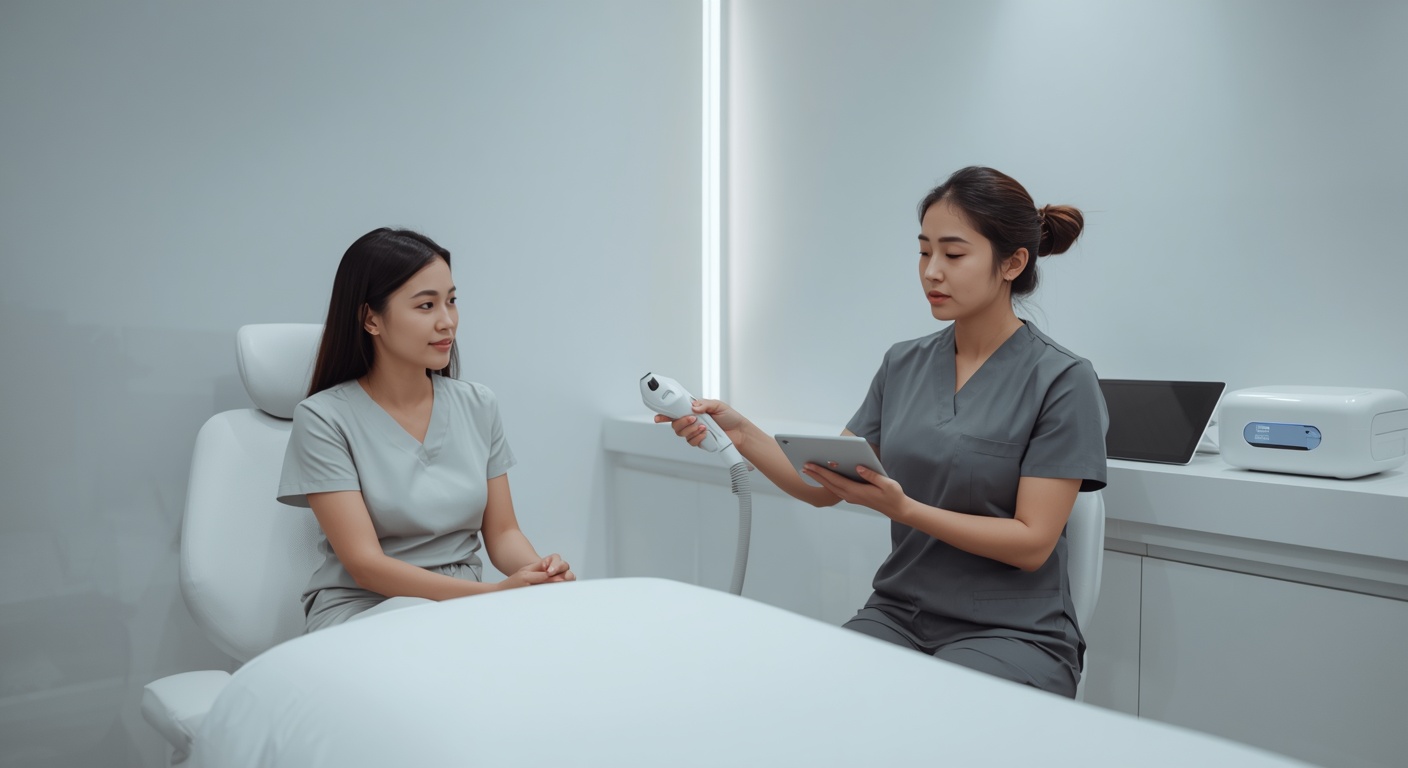
Laser hair removal in Malaysia is a clinic-based treatment that uses concentrated light to reduce hair growth over multiple sessions. It can offer longer-lasting reduction than shaving or waxing, but results depend on factors such as hair colour, skin tone, treatment area and consistency. A proper consultation, realistic expectations, preparation and aftercare are important before booking.
If you are comparing options, laser hair removal may be worth considering if you want a more long-term approach to unwanted hair. It is not usually a one-session fix, and it does not guarantee complete permanent removal for everyone. Before deciding, it helps to understand how the treatment works, who it may suit, what the sessions are like and how to judge providers carefully. If you are also exploring other aesthetic options, see our guide to beauty treatments in Malaysia.
What beginners should know before laser hair removal
- Laser hair removal usually requires multiple sessions, not a single treatment.
- It works best when the laser can clearly target pigment in the hair.
- Suitability varies by skin tone, hair colour and treatment area.
- Some temporary redness or sensitivity can happen after treatment.
- Sun care and aftercare matter, especially in Malaysia’s hot climate and frequent UV exposure.
- A consultation helps assess whether the treatment is appropriate for you.
What is laser hair removal and how does it work?
Laser hair removal uses light energy to target pigment in the hair. That energy travels down to the hair follicle, where heat may help reduce future hair growth. The aim is hair reduction over time rather than immediate smooth skin forever.
How laser energy targets the hair follicle
The treatment works by focusing on melanin, the pigment in the hair. When the hair absorbs the light, heat is generated in the follicle area. This can interfere with the follicle’s ability to keep producing hair in the same way.
That is why hair colour and skin tone matter. The contrast between the pigment in the hair and the surrounding skin can affect how easily the device targets the hair. Different devices may be more suitable for different skin tones, which is one reason provider assessment is so important.
Why multiple sessions are usually needed
Hair does not all grow at the same time. It moves through different stages in a growth cycle, and laser treatment is generally most effective when hairs are in the right stage for targeting. Because of this, several sessions are commonly needed, spaced over time.
Even within the same treatment area, some hairs may respond earlier than others. That is normal and part of why treatment plans are usually built as a course rather than a one-off session.
Hair reduction vs complete permanent removal
One of the most important expectations to set early is that laser hair removal is usually about long-term hair reduction, not guaranteed total permanent removal. Some people see thinner, slower or patchier regrowth. Others may still need occasional maintenance sessions to keep results where they want them.
How much reduction you may see depends on factors such as your hair type, skin tone, hormones, treatment area and how consistently the sessions are done.
Who may consider laser hair removal?
Laser hair removal may appeal to people who are tired of frequent shaving, waxing, plucking or dealing with recurring stubble. It is often considered for convenience, maintenance and the possibility of reduced regrowth over time.
Common treatment areas
People commonly ask about laser treatment for areas such as the underarms, legs, arms, bikini line, upper lip, chin, chest or back. Suitability can differ from one area to another because hair thickness, density and growth patterns are not the same across the body.
Smaller areas may be quicker to treat, while larger areas may naturally take longer during each appointment.
How skin tone and hair colour can affect results
Results can vary depending on the amount of pigment in the hair and how that contrasts with the surrounding skin. In general, darker hair is often easier for the laser to target than very light, grey or red hair, though this depends on the device and assessment.
Skin tone also matters when choosing a suitable technology and treatment settings. This does not mean one rigid yes-or-no answer for everyone. It means the provider should assess your skin and hair carefully instead of giving blanket promises.
When a professional consultation is especially important
A consultation is especially important if you have very sensitive skin, a history of strong reactions to cosmetic treatments, current skin irritation, pigmentation concerns or a condition affecting the treatment area. It is also worth discussing any medications, active skincare or recent tanning so the provider can advise whether your timing is appropriate.
If you have persistent skin problems, unexplained changes or are unsure whether a treatment area is suitable, a dermatologist or doctor may be the better first stop.
What happens during a typical laser hair removal session?
For a first-timer, the uncertainty is often worse than the treatment itself. A well-run session should begin with assessment rather than rushing straight into the procedure.
Consultation and assessment
During consultation, the provider may ask about your goals, treatment areas, hair colour, skin tone, current skincare, sun exposure and past reactions to treatments. They may also look at the area to assess hair density and whether the treatment is likely to be suitable.
This is also the point where you should be told about expected benefits, possible limitations and likely maintenance needs. If the discussion sounds overly certain or dismisses all risks, that is a reason to be cautious.
Patch testing and treatment planning
Some providers may recommend a patch test before a full session, especially if your skin is more reactive or if there are questions about how your skin may respond. A patch test can help guide settings and identify obvious irritation concerns before treating a wider area.
Treatment planning may include how often sessions are likely to be spaced, what preparation steps to follow and what kind of aftercare to use.
What the session may feel like
During treatment, you may be given protective eyewear. The practitioner then works across the area with the laser handpiece. Sensation is often described differently from person to person. Some people find it mildly uncomfortable, while others find certain areas more sensitive.
How it feels can depend on the treatment area, the device used and your own tolerance. It should not be presented as identical for everyone. If you are worried about discomfort, ask during consultation how the clinic manages comfort and what you should realistically expect.
How many sessions does laser hair removal usually take?
There is no reliable universal number for everyone. Laser hair removal sessions are usually planned as a course because of the hair growth cycle and differences in individual response.
Why treatment is spaced over time
Sessions are often spaced out so that more hairs can be treated when they reach a responsive growth stage. Treating too close together may not give the same benefit as following an appropriate schedule.
Your provider should explain the spacing they recommend for your chosen area rather than offering one timetable for every body part.
Factors that affect the treatment course
Several factors may influence how many sessions are needed and how much reduction you notice:
- Hair colour and thickness
- Skin tone
- Treatment area
- Hormonal influences
- Consistency with appointments
- Device suitability and treatment planning
Areas with coarser, darker hair may respond differently from areas with finer hair. Facial hair can also behave differently from body hair for some people.
Why maintenance sessions may still be needed
Even after an initial course, some people choose occasional maintenance sessions. This does not automatically mean the treatment failed. It simply reflects that hair growth can change over time and that laser hair removal is often about managing regrowth rather than eliminating every hair forever.
How to prepare before laser hair removal
Preparation matters because it can affect both comfort and safety. Your provider’s instructions come first, but there are a few common points beginners are usually told to consider.
Sun exposure and tanning considerations
Recent sun exposure and tanning can complicate treatment planning because they may affect how the skin responds to laser energy. In Malaysia, where UV exposure is part of daily life even on routine commutes, this is particularly relevant.
If you spend a lot of time outdoors, tell your provider. It may be sensible to plan sessions around periods when the treatment area is less exposed, and to be more disciplined about sun protection beforehand.
Hair removal methods to avoid before treatment
Because the laser targets the hair, providers commonly advise avoiding methods that remove the hair from the root shortly before treatment, such as waxing, plucking or threading, depending on the area. Shaving is often preferred before a session because it leaves the hair structure below the skin in place while reducing surface hair.
Exact timing can vary by provider, so it is better to follow the clinic’s preparation instructions than assume a standard rule.
What to ask your provider before your first session
Before booking, ask practical questions such as:
- Am I a suitable candidate for this treatment?
- Is a patch test recommended for my skin and hair type?
- What preparation do you want me to follow?
- What reactions are common after treatment?
- How should I care for the area afterwards?
- How will you decide whether the device and settings are appropriate for me?
Clear answers matter more than sales language. A good consultation should help you decide, not pressure you.
What to expect after treatment and how to care for your skin
After laser hair removal, the treated area may look or feel slightly irritated for a short time. That can be a normal immediate response, but aftercare still matters.
Common short-term reactions
Some people notice temporary redness, warmth or mild sensitivity in the area. The skin may feel a bit reactive, especially if the treatment was on a sensitive part of the body.
Not everyone reacts the same way, and reactions can differ between body areas. The key is that short-term irritation should generally be explained to you before treatment so you know what is expected.
Aftercare basics
Aftercare instructions can vary, but simple steps often include treating the area gently, avoiding friction or heat if advised, and pausing potentially irritating skincare on the treated area until your provider says it is appropriate. This may be particularly relevant if you use strong exfoliants, retinoids or other active products near the treated area.
If you are unsure whether a product is too harsh to use after treatment, ask rather than guessing. Skincare that feels fine on a normal day may not feel the same on recently treated skin.
Why sun protection matters in Malaysia
Sun protection is not a minor detail after laser hair removal. Frequent UV exposure can make recently treated skin harder to manage, and this is especially relevant in Malaysia’s bright, humid climate where bare skin is often exposed and outdoor heat is hard to avoid.
If the treated area is likely to see daylight, follow your provider’s sun-care advice carefully. Protective clothing, shade and sensible daily sun habits may be just as important as skincare products themselves.
Possible side effects, limitations and risks to know
Laser hair removal is widely offered, but that does not make it risk-free. The treatment has limitations, and understanding them helps you make a more informed decision.
Temporary irritation and sensitivity
The most commonly discussed issues are temporary redness, tenderness or sensitivity after treatment. These may settle with time, but the treatment should still be approached carefully, especially if your skin is already reactive.
If a provider minimises all side effects or says everyone heals exactly the same way, that is not a reassuring sign.
Pigment-related concerns and why provider assessment matters
Because laser treatment involves targeting pigment, there can be added considerations around uneven skin tone or pigment changes, particularly if the wrong approach is used for your skin and hair profile. This is one reason patch testing, careful settings and suitable device choice matter.
A proper consultation should include discussion of your skin tone, sun habits and any history of pigmentation issues rather than treating every patient as interchangeable.
When to seek medical advice
Seek professional medical advice if you develop a reaction that seems severe, gets worse rather than better, or does not settle as expected. The same applies if you have blistering, marked swelling, signs of infection or any unusual response that concerns you.
If you have an underlying skin condition or are unsure whether a reaction is normal, it is sensible to speak to a doctor or dermatologist.
How to choose a laser hair removal provider in Malaysia
If you are comparing clinics, price should not be your only filter. For laser hair removal in Malaysia, consultation quality, device suitability and practitioner experience usually matter more than a cheap package that does not match your needs.
Questions to ask during consultation
A good consultation should make space for questions. You might ask:
- Who will perform the treatment?
- How do you assess suitability for different skin tones and hair types?
- Do you recommend a patch test?
- What short-term reactions should I expect?
- What happens if I have concerns after treatment?
- How do you approach treatment planning for this area?
You are not only buying a session. You are also evaluating whether the provider communicates clearly and responsibly.
Why device suitability and practitioner experience matter
Different devices may be better suited to different skin tones, hair characteristics and treatment areas. The person using the device also matters. Experience does not mean making unrealistic claims. It means assessing properly, setting expectations honestly and adjusting treatment thoughtfully.
If the clinic cannot clearly explain why a particular approach is suitable for you, that is worth noting.
How to compare clinics without relying on price alone
When comparing providers, consider:
- How thorough the consultation feels
- Whether risks and limitations are explained clearly
- Cleanliness and professionalism of the setting
- Whether aftercare guidance is provided
- How realistic the clinic is about outcomes and maintenance
A clinic that takes time to assess you carefully may be a better choice than one that focuses mainly on selling packages.
Is laser hair removal worth considering compared with shaving or waxing?
That depends on what you value most. Laser hair removal may suit people who want less frequent maintenance and are willing to commit to a course of sessions. Shaving and waxing, on the other hand, can be simpler if you prefer immediate, lower-commitment hair removal.
Convenience and maintenance
Shaving is quick and familiar but often needs repeating frequently. Waxing may last longer between sessions, though some people dislike the upkeep or discomfort. Laser hair removal can appeal because it may reduce regrowth over time, which some people find more convenient in the long run.
That said, convenience comes later rather than instantly. You still need the time and consistency to complete treatment sessions.
Comfort and long-term expectations
Comfort is subjective. Some people prefer shaving because it is predictable and done at home. Others prefer laser because they want to reduce repeated waxing appointments. The right choice depends on your tolerance, budget priorities, skin sensitivity and willingness to maintain a planned treatment course.
It is best to think in terms of trade-offs rather than a universally superior method.
Who may prefer other methods
Another method may suit you better if you want zero clinic commitment, if your hair characteristics make laser expectations less straightforward, or if you are not ready to manage the preparation and aftercare that laser requires. A consultation can help clarify this, but it is fine if the answer is that a simpler method suits your routine better for now.
Key takeaways before booking your first appointment
The main thing to know is that laser hair removal works as a process, not a quick fix. Results vary, several sessions are commonly needed and some maintenance may still be part of the long-term picture.
Go into your first consultation ready to ask about suitability, device choice, patch testing, aftercare and realistic expectations. In Malaysia, sun exposure is an especially practical part of planning and recovery, so factor that into your timing and habits. If a provider is clear, cautious and willing to assess your skin and hair properly, you are in a much better position to decide whether treatment is worth pursuing.
Frequently Asked Questions
Is laser hair removal permanent or does hair grow back?
Laser hair removal is generally described as long-term hair reduction rather than guaranteed permanent removal for everyone. Some hair may grow back over time, and maintenance sessions may still be needed.
How painful is laser hair removal for first-timers?
It varies. Some people find it mildly uncomfortable, while others find certain areas more sensitive. The feeling can depend on the treatment area, the device and your own tolerance.
Can laser hair removal work on all skin tones?
Suitability can vary by skin tone, hair colour and the device being used. That is why personalised assessment matters. A qualified provider should explain whether the treatment approach is appropriate for your profile.
What should I avoid before and after laser hair removal?
Your provider’s instructions should come first, but common points include avoiding recent tanning, being careful with sun exposure and avoiding hair removal methods that remove hair from the root before treatment. After treatment, recently treated skin should usually be handled gently, and potentially irritating products may need to be paused.
How do I choose a laser hair removal clinic in Malaysia?
Look beyond price. Focus on consultation quality, hygiene, practitioner experience, whether suitability is assessed properly and how clearly the clinic explains limitations, aftercare and realistic expectations.